What’s next? World Cup Czechia 2027 – Česká Třebová!
We said watch this space. This year’s Czech round of the World Cup is behind us; the season is not. The World Cup continues to Lithuania, where the very best will compete from 23–27 September in an event that doubles as the European Championships. Both the European titles and the World Cup standings will be decided there. Best of luck to everyone racing and to the Lithuanian crew – it will be magnificent.
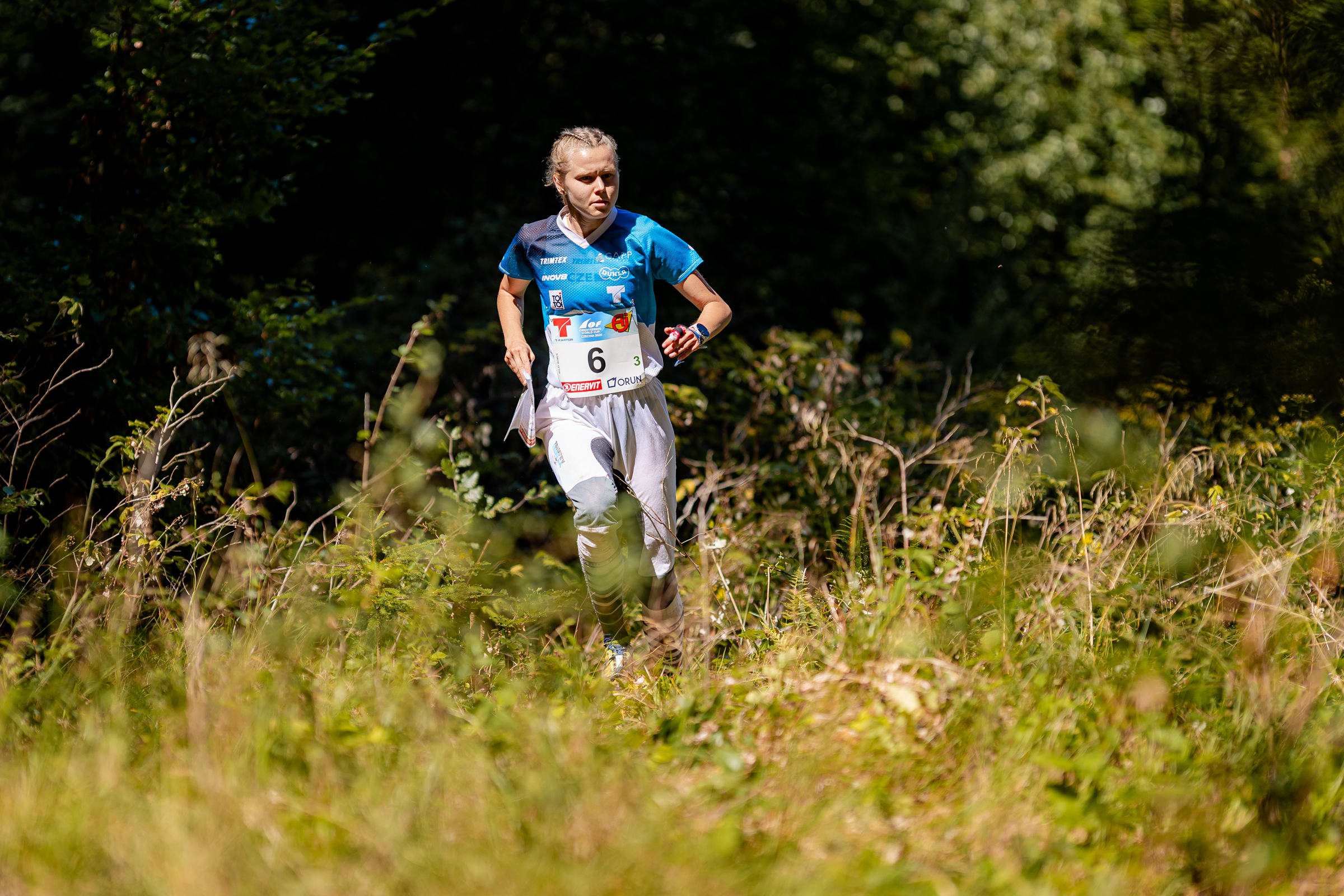
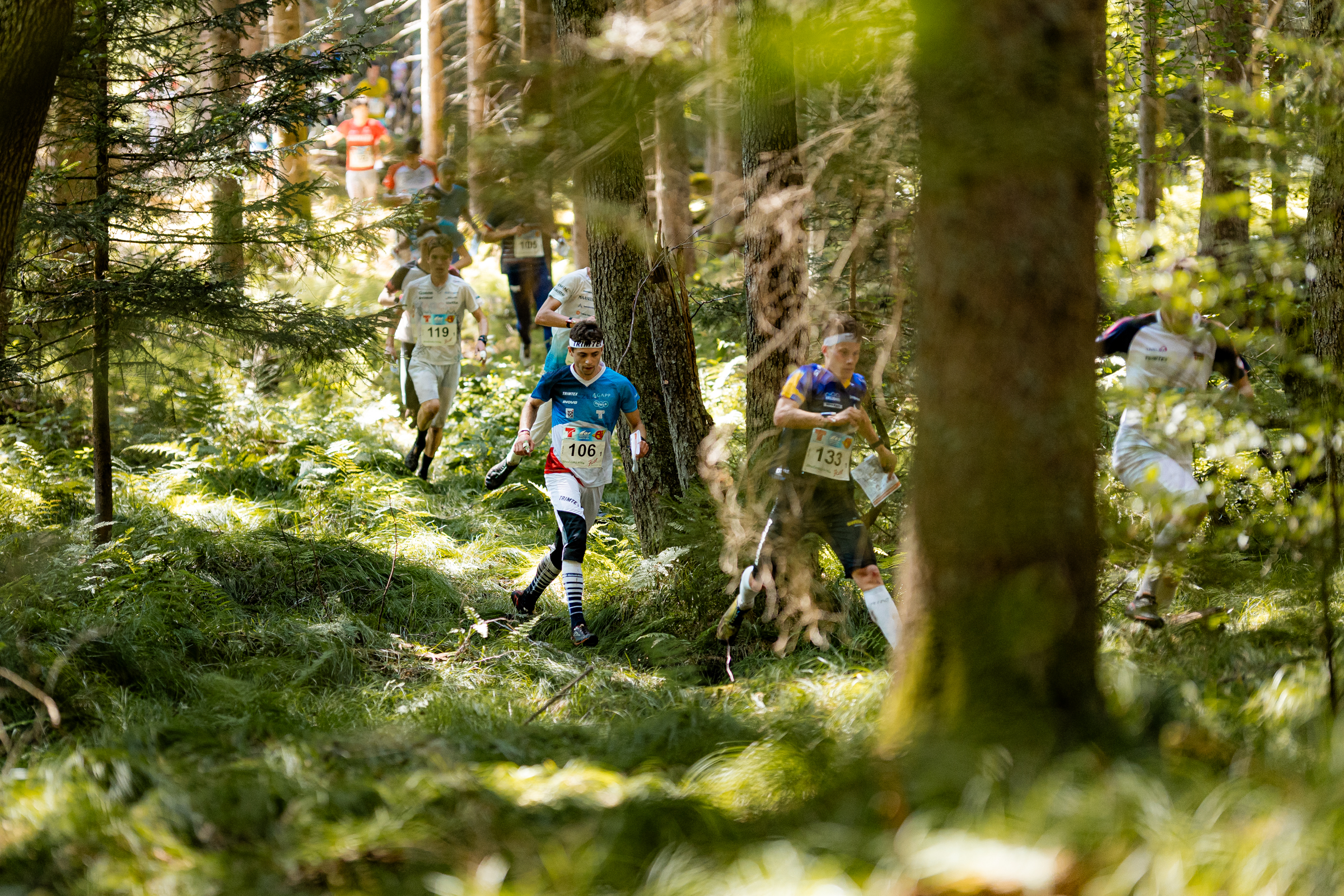
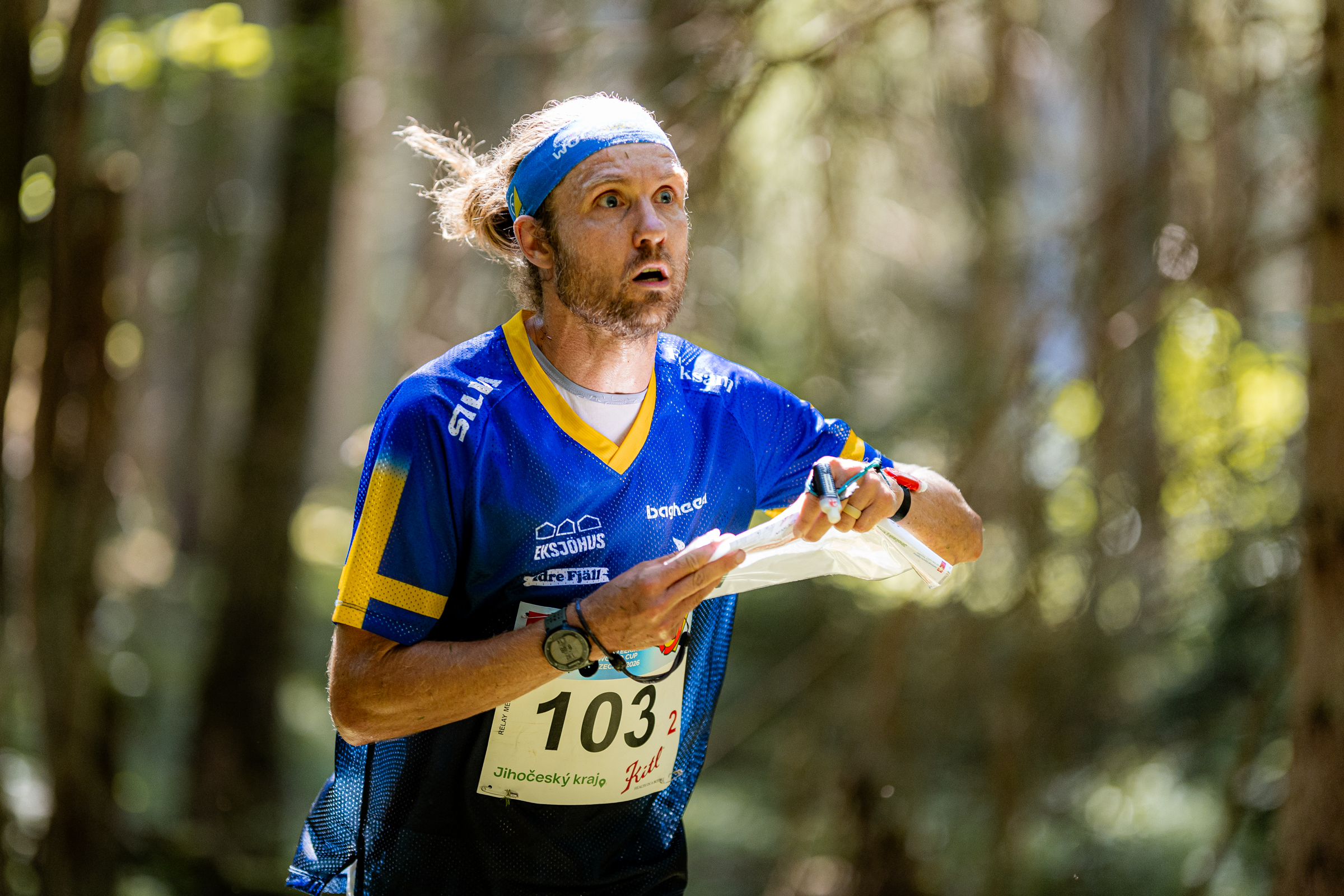
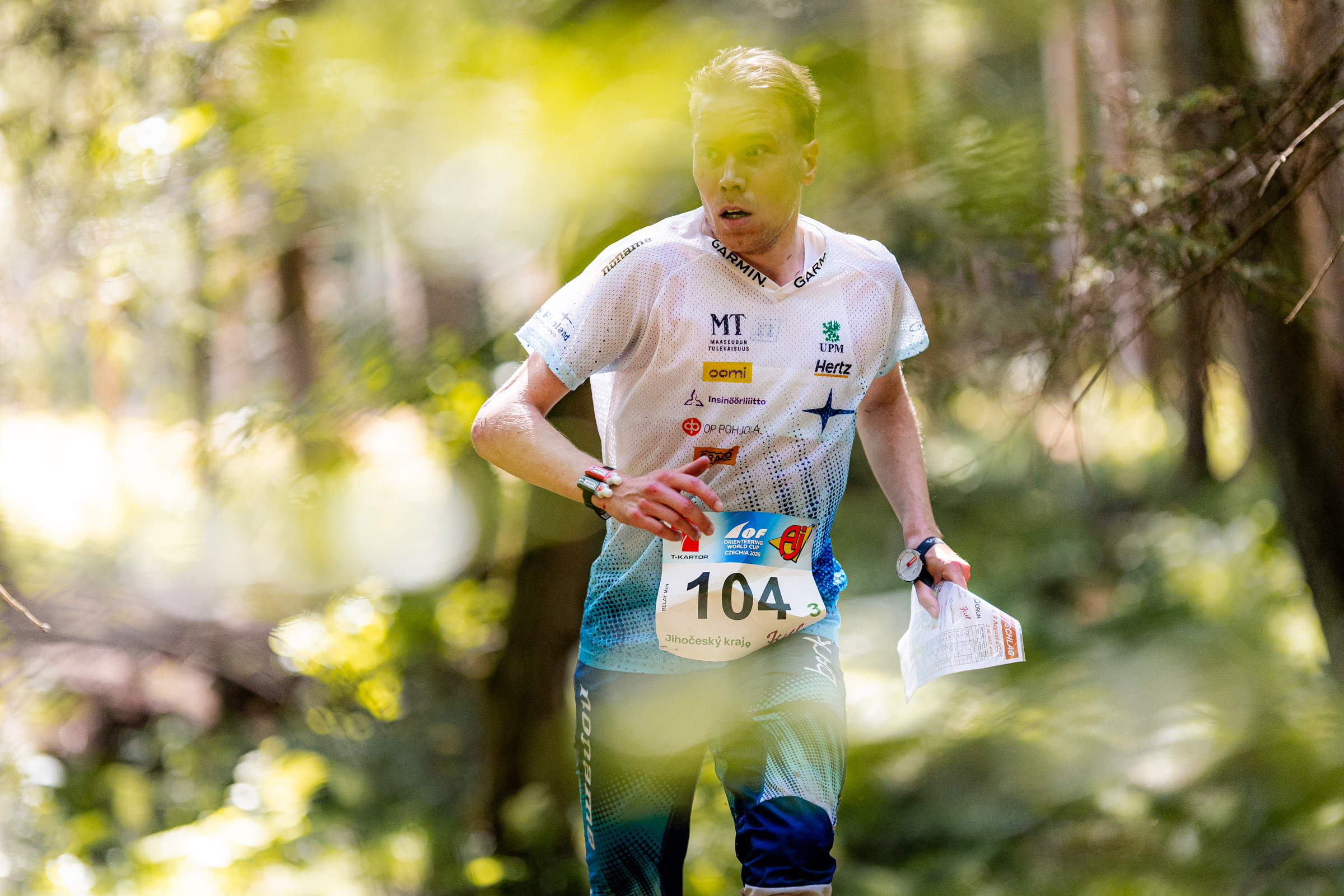
Next year the forest season comes back to us. The final forest round of the World Cup returns to Czechia where the world elite will test their form from 2 to 6 July 2027 before heading to Hungary for the World Championships.
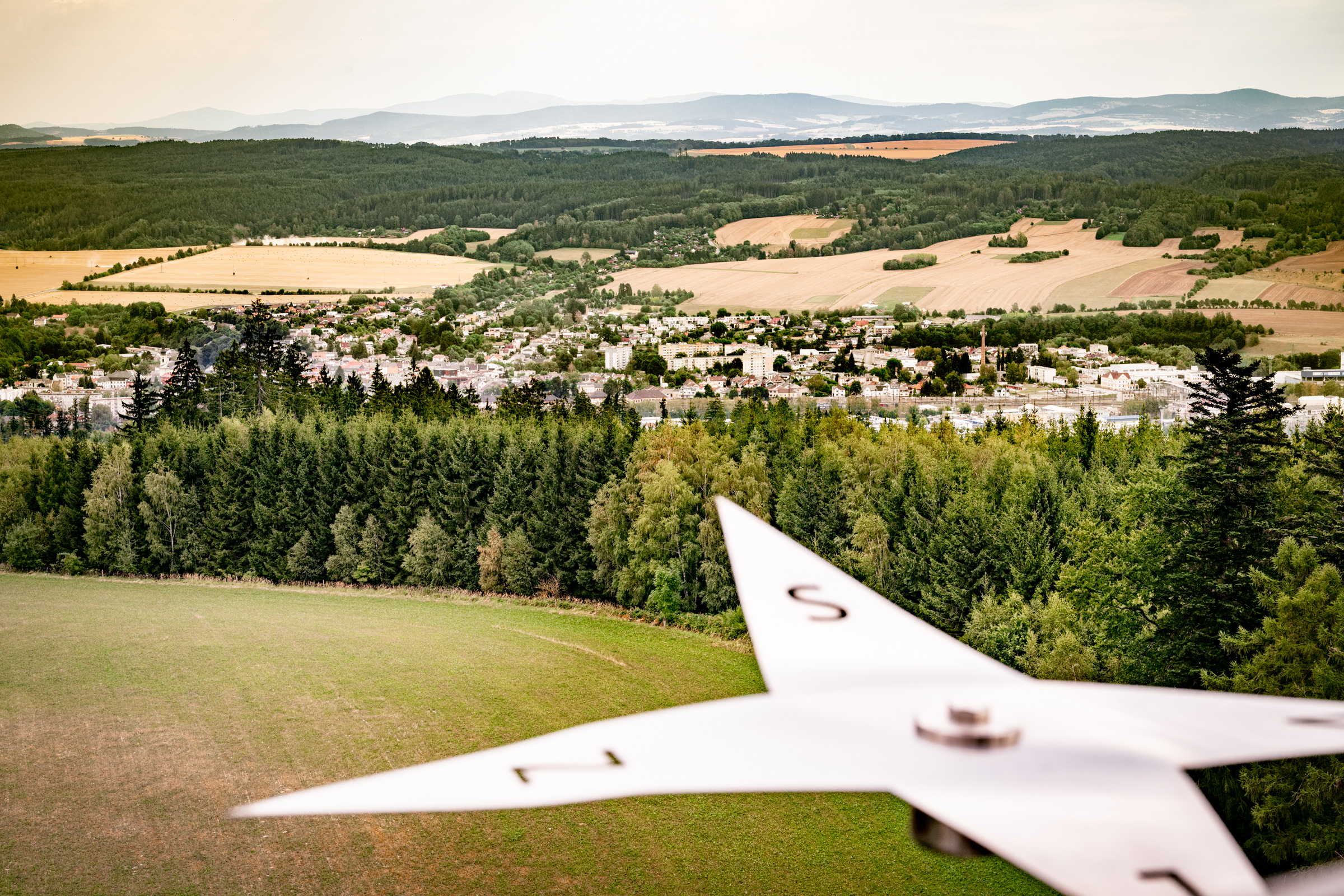
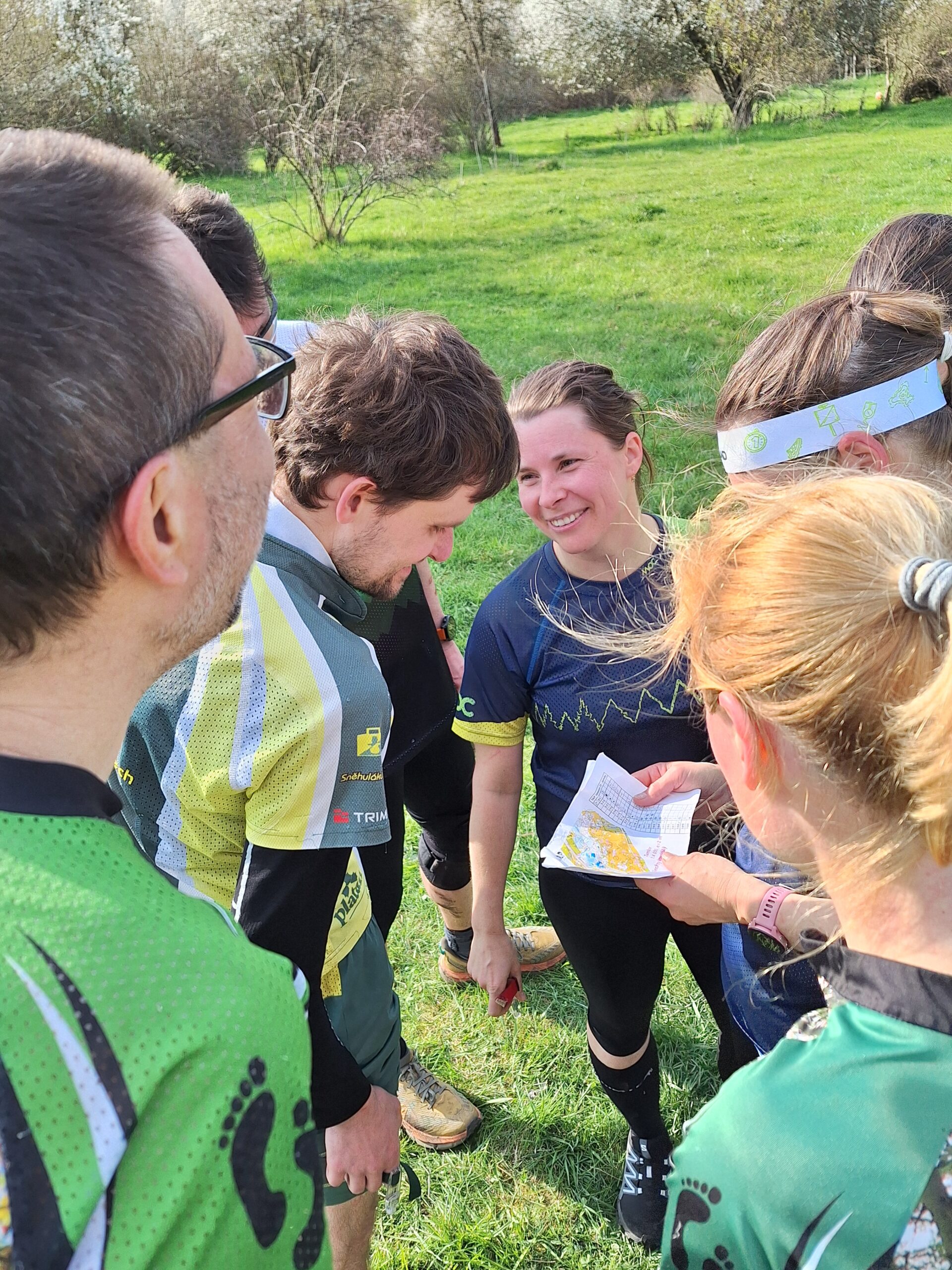
The Czech venue will have a different flavour this time. Česká Třebová may not be the largest Czech city but it is the railway crossroads of the country. You will see a train or two and many of you will arrive on one. We expect trains to feature heavily – there are train geeks everywhere and the orienteering folk are no different.
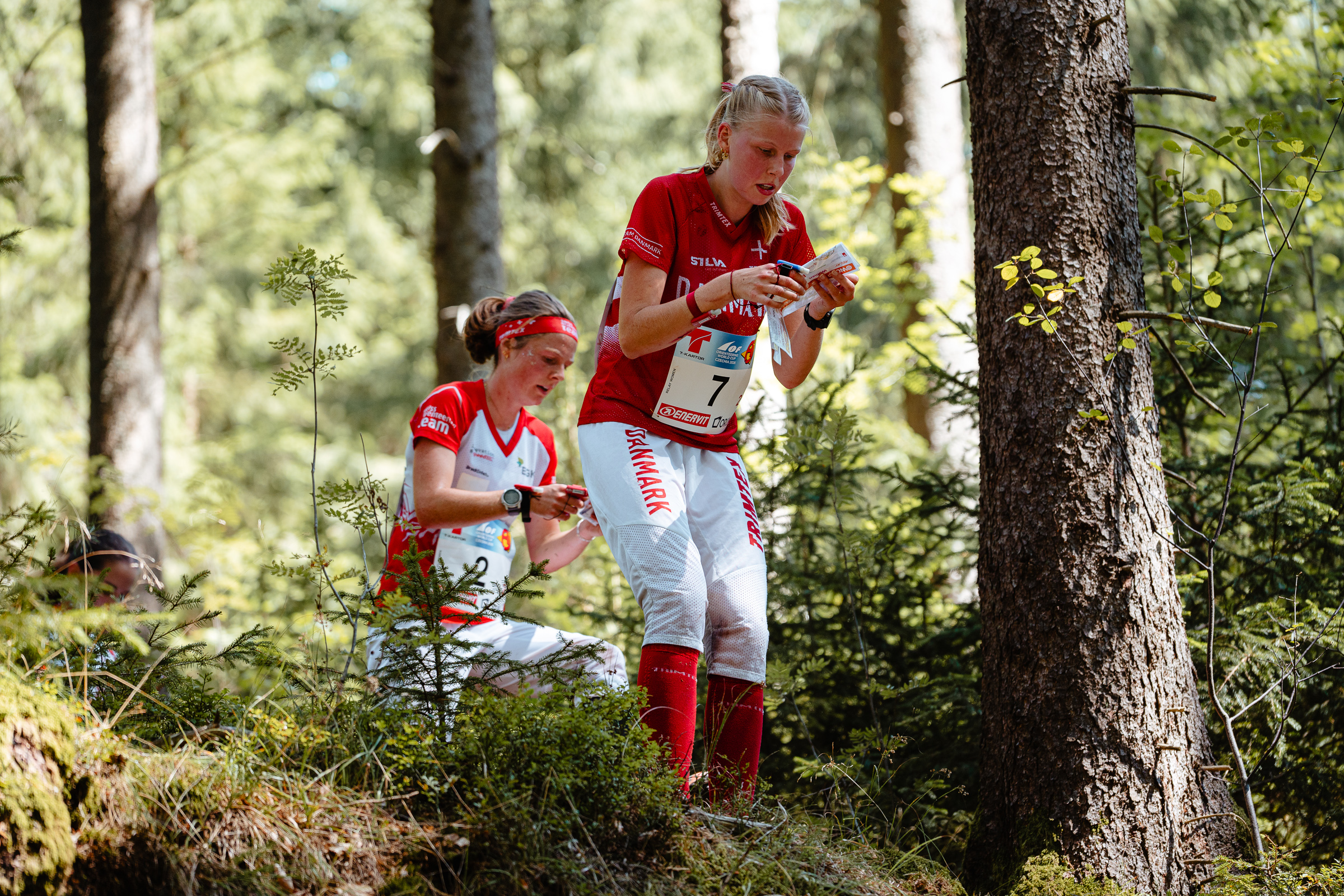
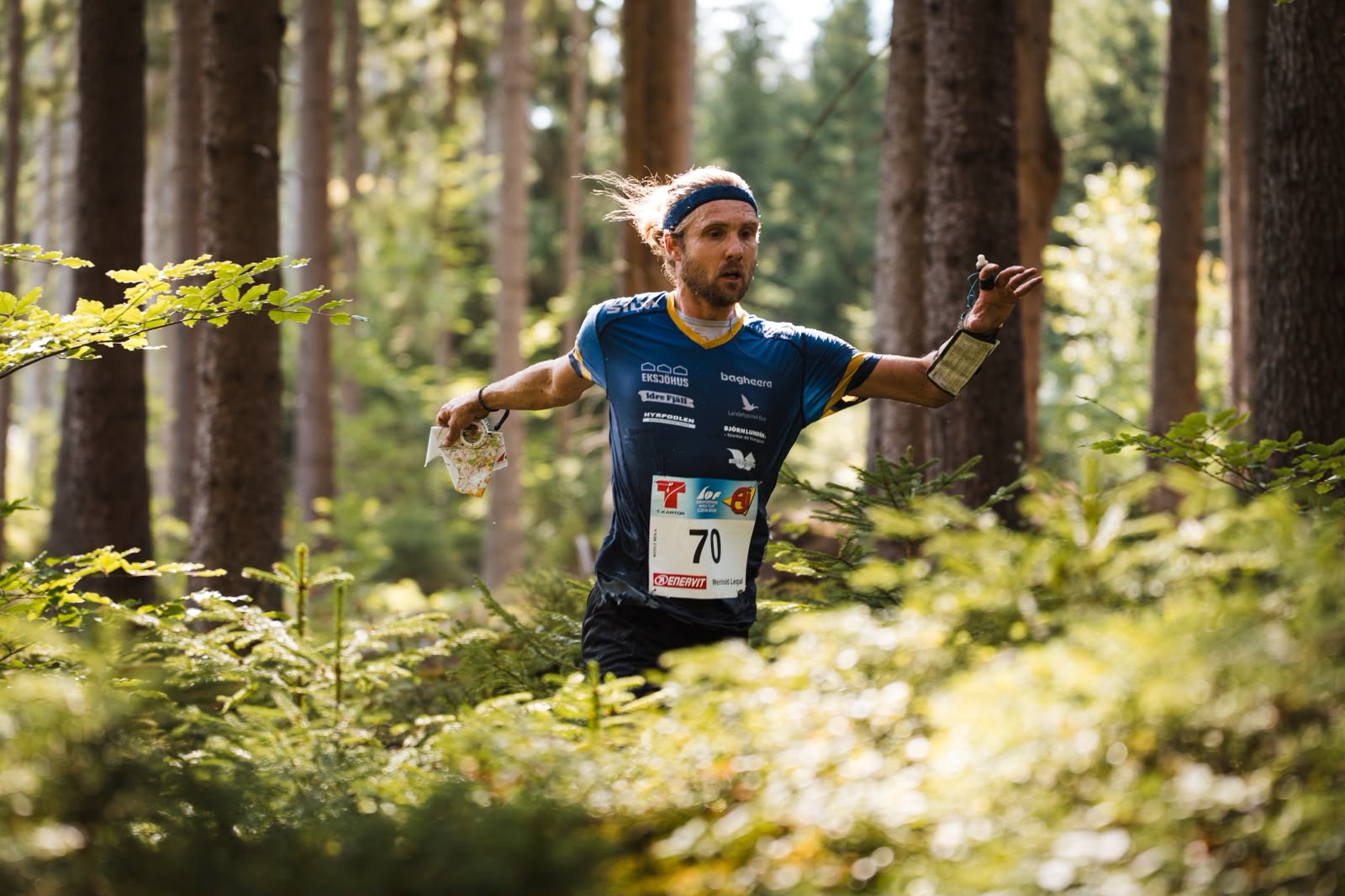
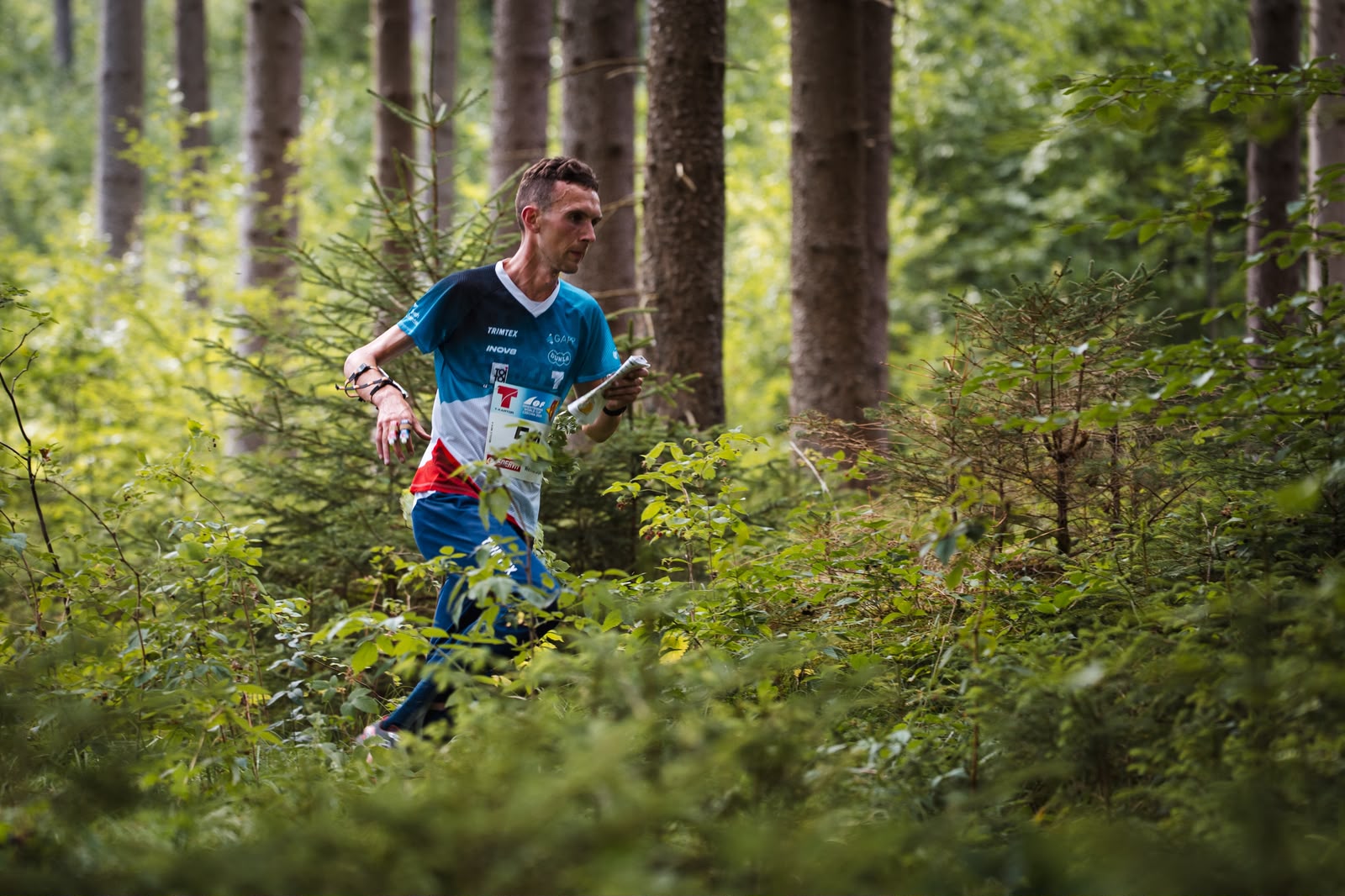
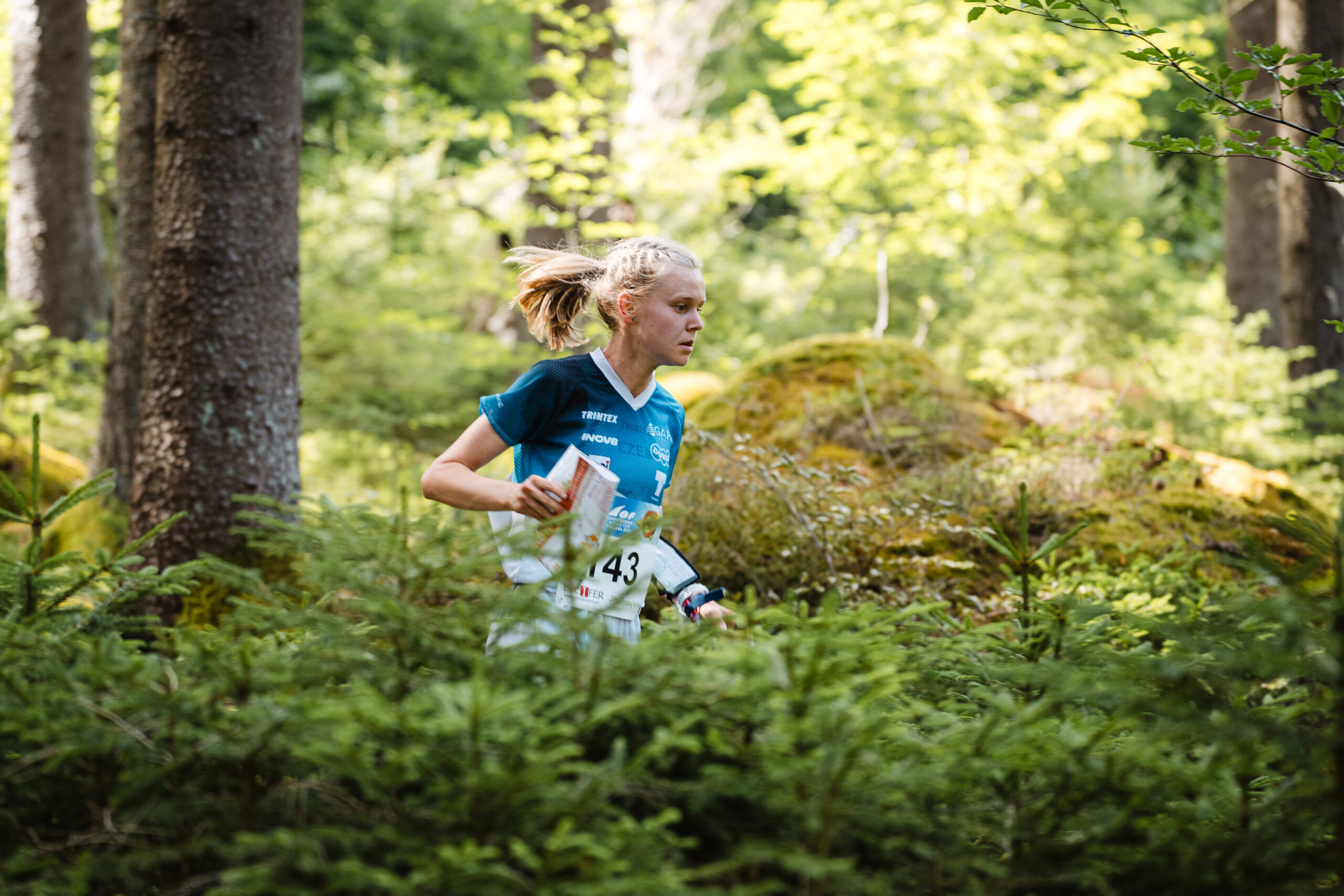
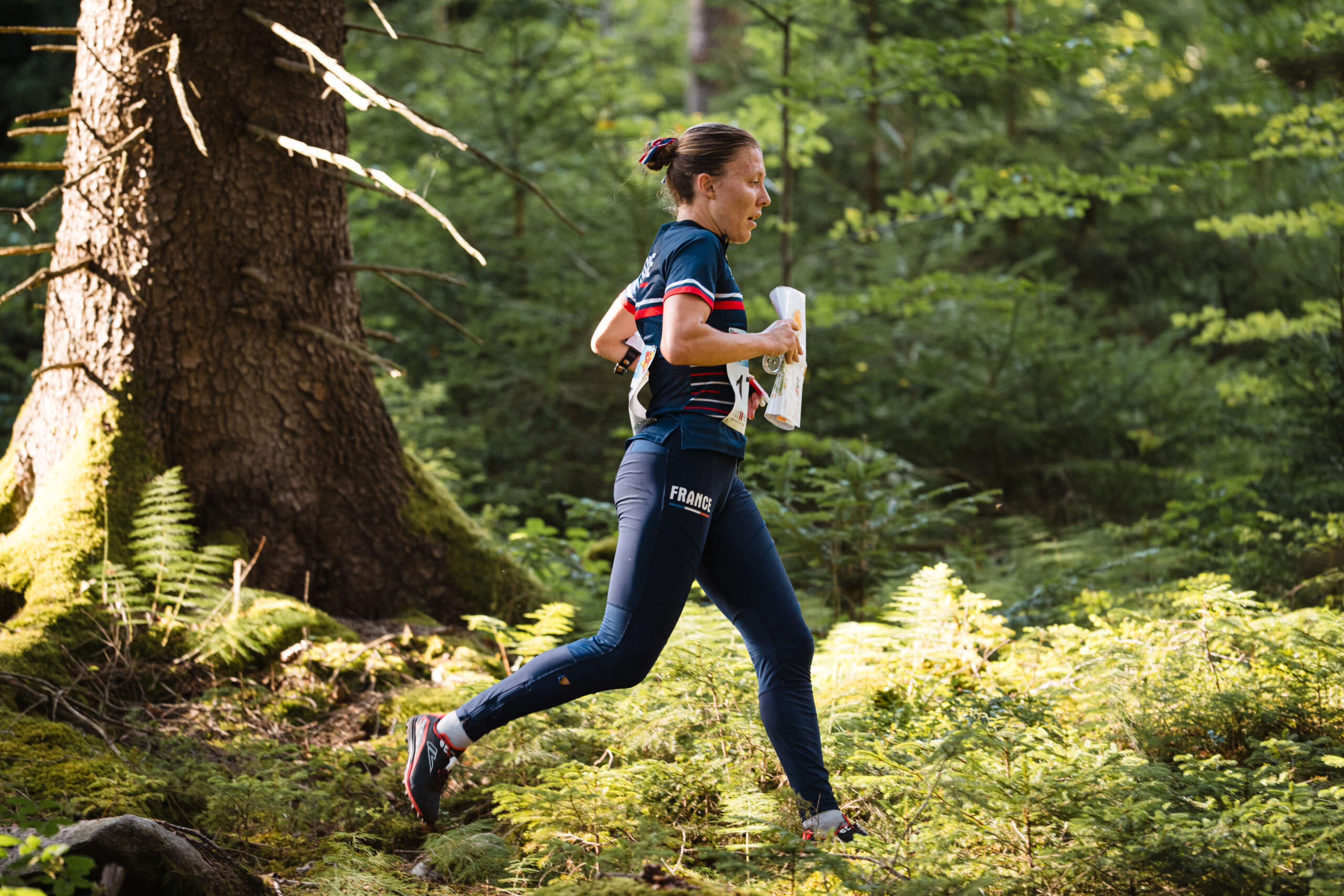
The terrains will be hard and nothing like what you saw in Šumava – forget the rocky formations and boulder fields; get ready for vegetation details and rapidly changing visibility. A change of scenery then.
A World Cup in Czechia also means Czech O-Tour spectator races. This time, four stages will be held so you can once again taste the World Cup terrain yourself between cheering for your favourites. Mark your calendars!
2027 will be another good year for orienteering in Czechia. Whether you come as a top-level athlete racing for your national team, a semi-pro dominating the spectator races, a hobbyist, or a complete beginner, there will be something here for you.
It’s been a week. Thank you, and come again!
Can you believe it? A week has already passed since the last relay crossed the finish line at Orienteering World Cup Czechia 2026 in Vyšší Brod. We sincerely hope you liked racing here (or cheering for your favourite athletes) as much as we loved putting on this event for you.
Being able to welcome the world’s best orienteers in our forests is fantastic. What is even better is being able to let the community and the locals know what a great sport orienteering is. Thank you all for being a part of that story. The winners are celebrated, but everybody matters.
There were many things that made this round of World Cup special. We are sure you, too, will find your own. We would love to mention just a few:
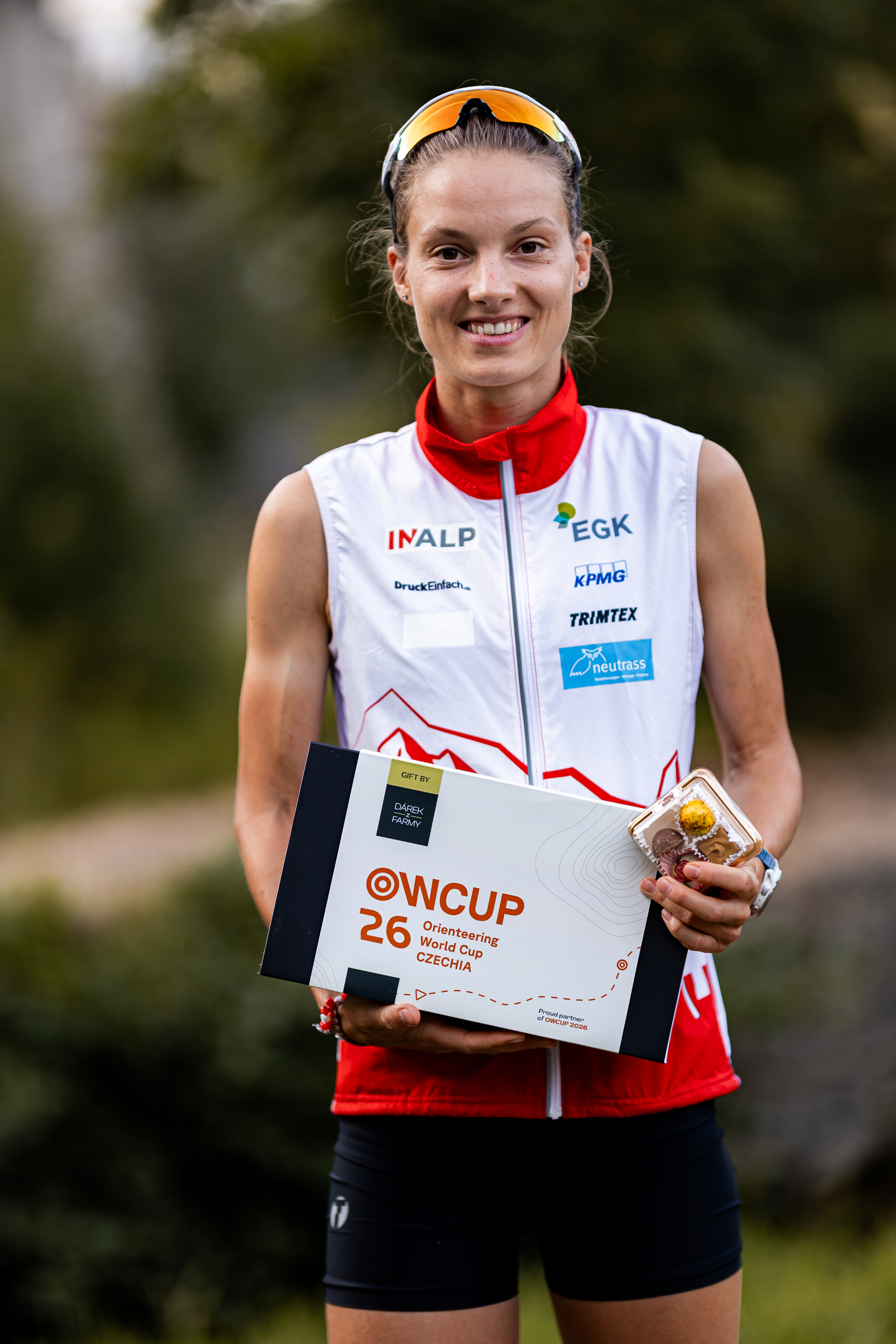
The undisputed king and queen of the World Cup: Viktor Svensk, who stood on all three podiums (first, second, first), and Simona Aebersold, with her double individual victory.
It was the Swedes with their five podium placements who ruled the event, closely followed by the Norwegians.
The home team scored the best World Cup performance in many years with one win, two third places and one second place.
The races were broadcast to 13 countries; Czech TV alone brought 12 hours of live coverage. Social media content reached over 1 million viewers. The World Cup brought over 300 athletes to Czechia and the accompanying GAPP Czech O-tour attracted more than 2000 racers ranging from newbies to national team members. We needed 244 volunteers to make this all happen; they cheered for you, and we are sure you cheered for them.
What else can we say? Maybe a few more points:
We placed 184 controls on 22 different object types – and you found most of them just fine.
The wasps stung quite a few people.
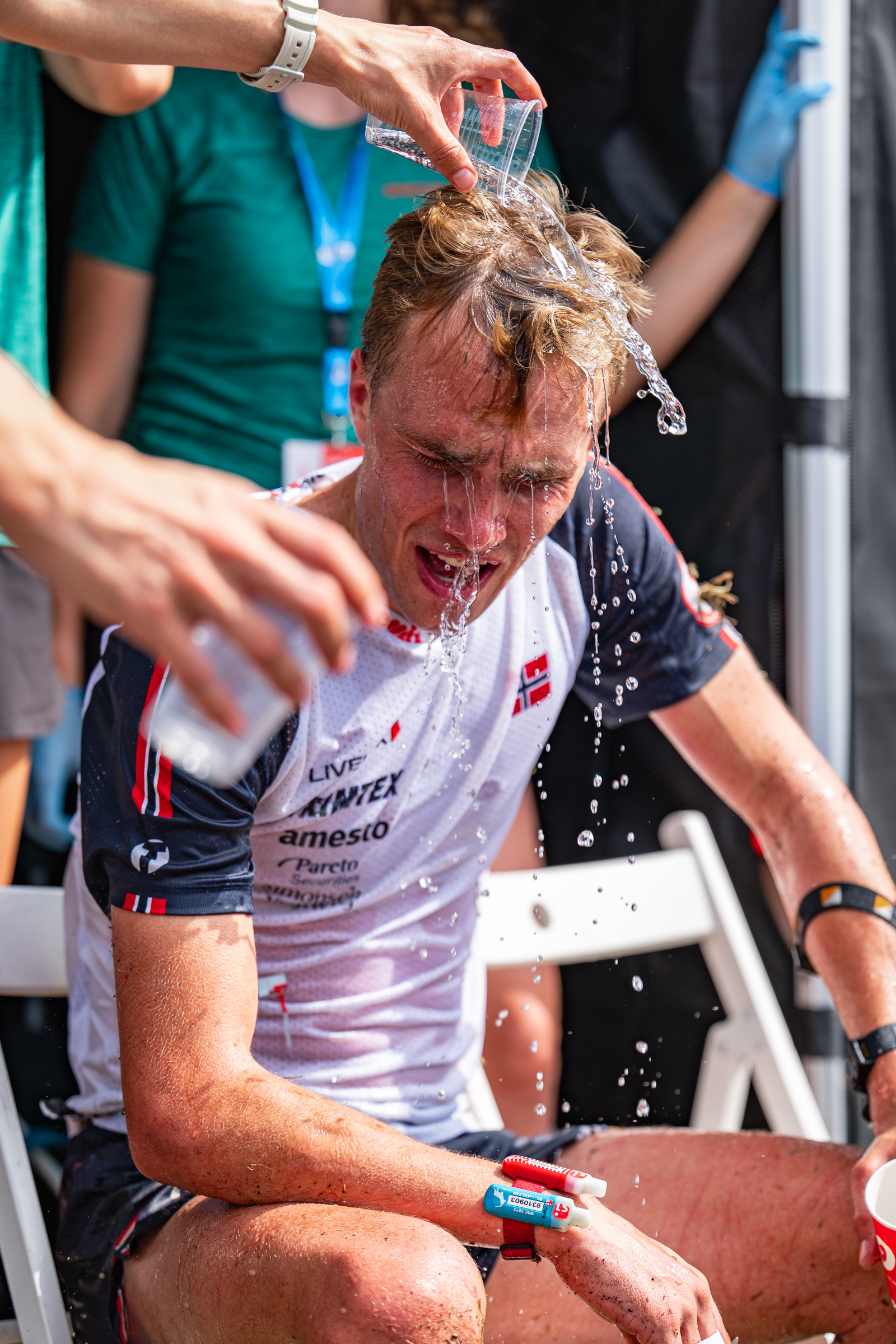
The heat bothered everybody but you all managed.
We had to shuffle the schedule because of storms that never came, but nobody seemed to mind.
The fun labyrinth in Vyšší Brod was tested by 388 inquisitive souls, one Simona Aebersold among them.
We talked in 56 organiser WhatsApp groups, and the arena burnt through 3.65 TB of data.
Your coaches enjoyed 86 cups of coffee in the quarantine. We get that. We brew a damn fine cup of coffee.
So thank you all for coming. And don’t be strangers. There’s plenty more orienteering in Czechia. Watch this space, even though we think you already know.
All race photos uploaded!
You are all supermodels, aren’t you? Make the last sweep through our race galleries, they are now complete. Pick your favourites, download them all and show them to the world! We love seeing our photos used. It is our job to show how beautiful orienteering is and you surely did help.
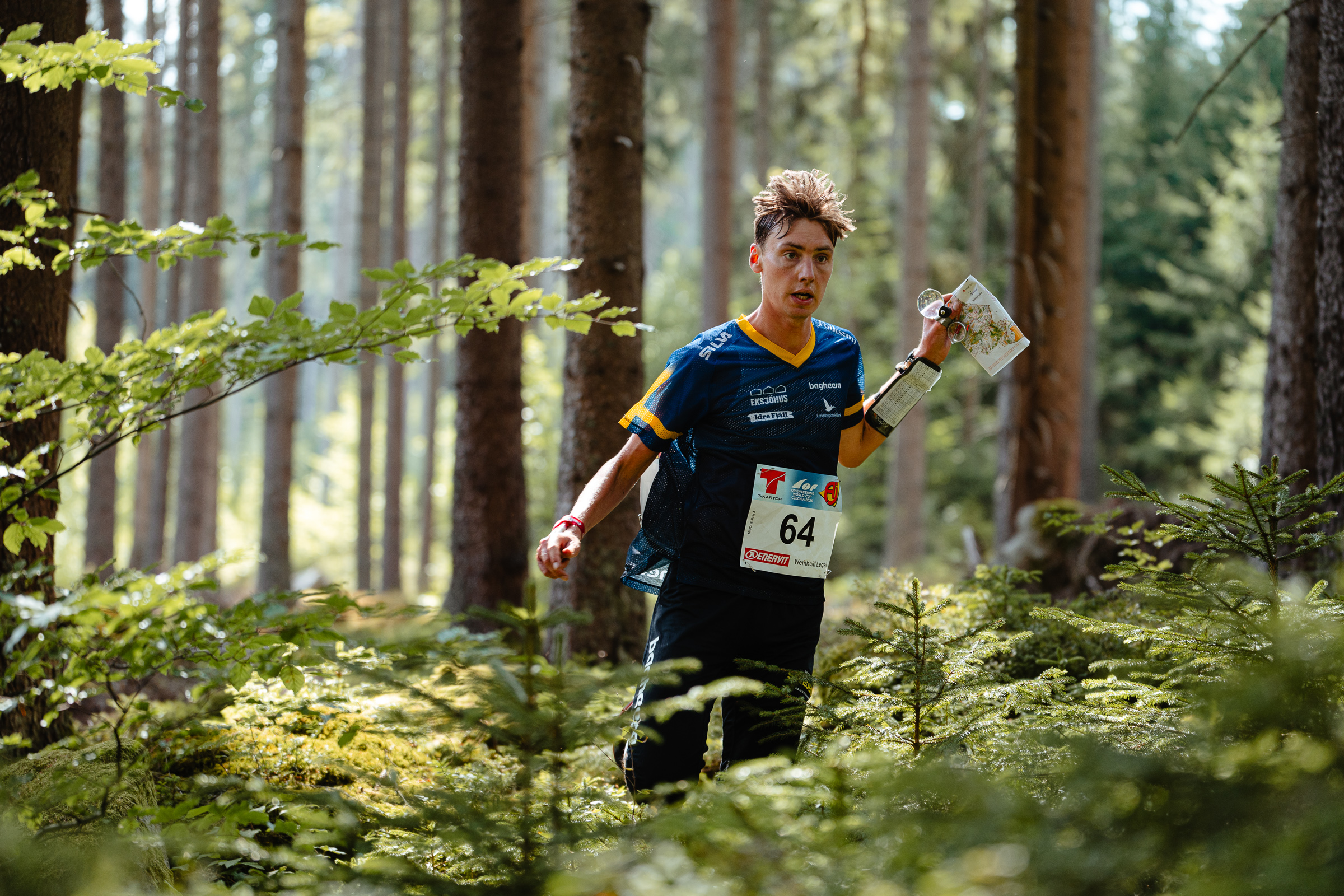
Weinhold Legal: Where Orienteering, Law and the Joy of Working with Great People Meet
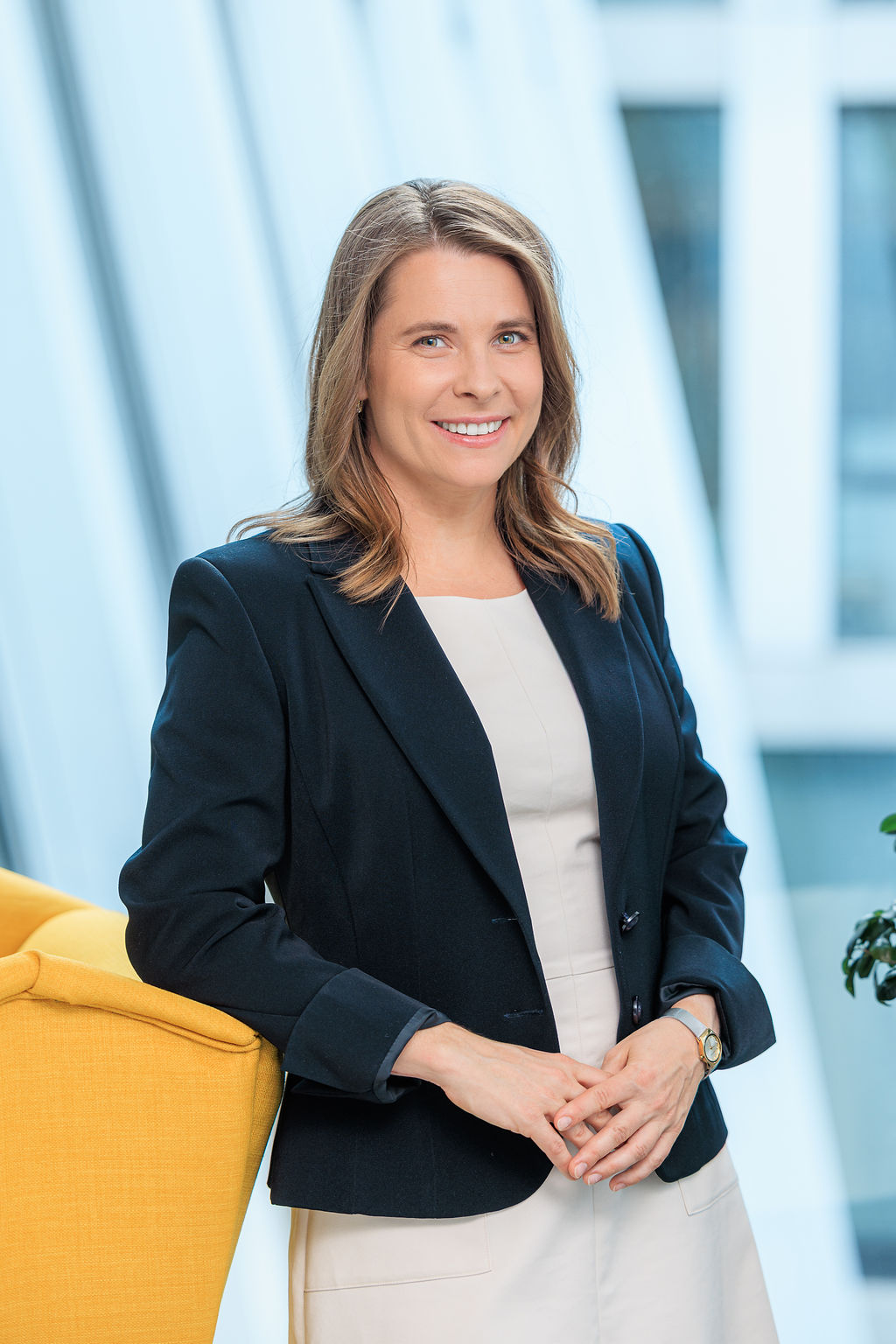
Weinhold Legal has become a partner of the Orienteering World Cup in Vyšší Brod. Ahead of this exceptional sporting event, the firm also hosted a Czech Orienteering press conference at its Prague offices. Tereza Hošková, an attorney at Weinhold Legal and a member of the KOB TRETRA Praha orienteering club, explains the reasons behind the partnership, the connection between orienteering and law, and when a lawyer can be particularly useful.
Why did Weinhold Legal become a partner of the World Cup?
It came about very naturally. Orienteering has been part of my life for more than a quarter of a century. My husband, Radim, has been involved in the sport for even longer—as a competitor, organiser, Vice-Chair of the Foot Orienteering Section of the Czech Orienteering Federation, and now also as the Sports Director of the World Cup in Vyšší Brod.
We know the people preparing the event and have a close-up view of their work. We know how much time, energy and responsibility they devote to it. Supporting a high-quality project led by great people makes sense to us. We also launched the partnership by hosting a Czech Orienteering press conference ahead of the World Cup at Weinhold Legal’s offices.
How has orienteering influenced your professional journey?
I started working with Dan Weinhold and Milan Polák at Weinhold Legal while I was still studying law. Thirteen years later, this cooperation still makes a great deal of sense to me. I have been practising as an attorney for ten years, now I lead my own team, and I increasingly think about the kind of people we want to work with and the kind of clients we want to work for.
We spend a large part of our lives at work. It therefore matters to me who I share that time with, how we communicate with one another, and whether our work produces something useful. At Weinhold Legal, I have managed to surround myself with colleagues who are excellent professionals and, at the same time, people whose company I genuinely enjoy. I apply the same approach to my relationships with clients.
I enjoy working with people who care about what they are building—people who develop their businesses, take responsibility and want to work together to find good solutions. In my work, it is absolutely essential that I can look the other person in the eye the following week. I therefore make a real effort to ensure that communication and cooperation are open and honest, and I look for the same qualities in our business partners.
What does the work of a law firm such as Weinhold Legal actually involve?
When people hear the word “lawyer”, many primarily imagine a courtroom, criminal proceedings or a divorce. In reality, our work often consists of providing businesses with day-to-day support. We help people establish companies and structure relationships between shareholders. We support companies in negotiating contracts, obtaining financing or attracting investors, expanding into new markets, acquiring and selling businesses, and launching new products. We also advise on real estate matters.
Legal issues can also arise in connection with marketing campaigns, the introduction of new technologies, changes within work teams, the departure of a key employee, or a dispute with a business partner.
Weinhold Legal focuses primarily on commercial and contract law, transactions, real estate, financing, employment law and dispute resolution. In my own practice, I also specialise in public procurement and compliance, including areas such as data protection, cybersecurity and the rules governing the use of artificial intelligence.
So, when is the right time to contact a lawyer?
I see the work of a lawyer as being similar to the role of a physiotherapist. Of course, they can help with an acute problem. But it is even better when they teach me in good time how to take proper care of things and I occasionally consult them to make sure I am doing the exercises—or making the decisions—correctly. In other words, the emphasis should be on prevention and thorough preparation.
I also see a strong parallel with organising races. A lawyer is not merely a crisis manager who joins the team on race day. They are an integral part of the organising team and help to address numerous issues before something goes wrong.
So as soon as a business idea begins to take shape in my mind, it is a good time to start considering its legal aspects as well. It is also no longer true that legal advice is a luxury service that a start-up or a newly self-employed entrepreneur cannot afford. Our work certainly has value, but we can also adjust our pricing arrangements to reflect a client’s needs. It all comes down to communication and finding a mutually suitable arrangement.
What lessons from orienteering have you brought into your legal practice?
The ability to make decisions, quickly, sometimes under pressure. The ability to stand by a decision and put it into practice. To approach each individual meeting with complete focus—as my husband says: “Careful, Radi, this is going to be important!”
Orienteering has also taught me how to work with incomplete information, choose a direction and continuously respond to what is happening around me. The area where I still have room for improvement is endurance—but that is where the other colleagues on my team complement me very well.
Orienteering has also taught me to respect people who devote their time to a common cause. That is precisely why supporting the World Cup makes sense to us. We are contributing to a wonderful event created by people whose work we truly value.
And if, during the races, we discover that we also have something to discuss professionally with someone, it will be a natural connection between two worlds that already have a great deal in common.
And if you have read all the way to the end, you can arrange a free legal consultation using this QR code. The offer is available to the first ten people to respond. 😉
Tereza Hošková Attorney, Weinhold Legal TAP 8971
Home Silver! Czech Women Storm the Relay Podium as Bergman and Svensk Steal the Men’s Race
World Cup Round 3 – Relay, 9 August 2026
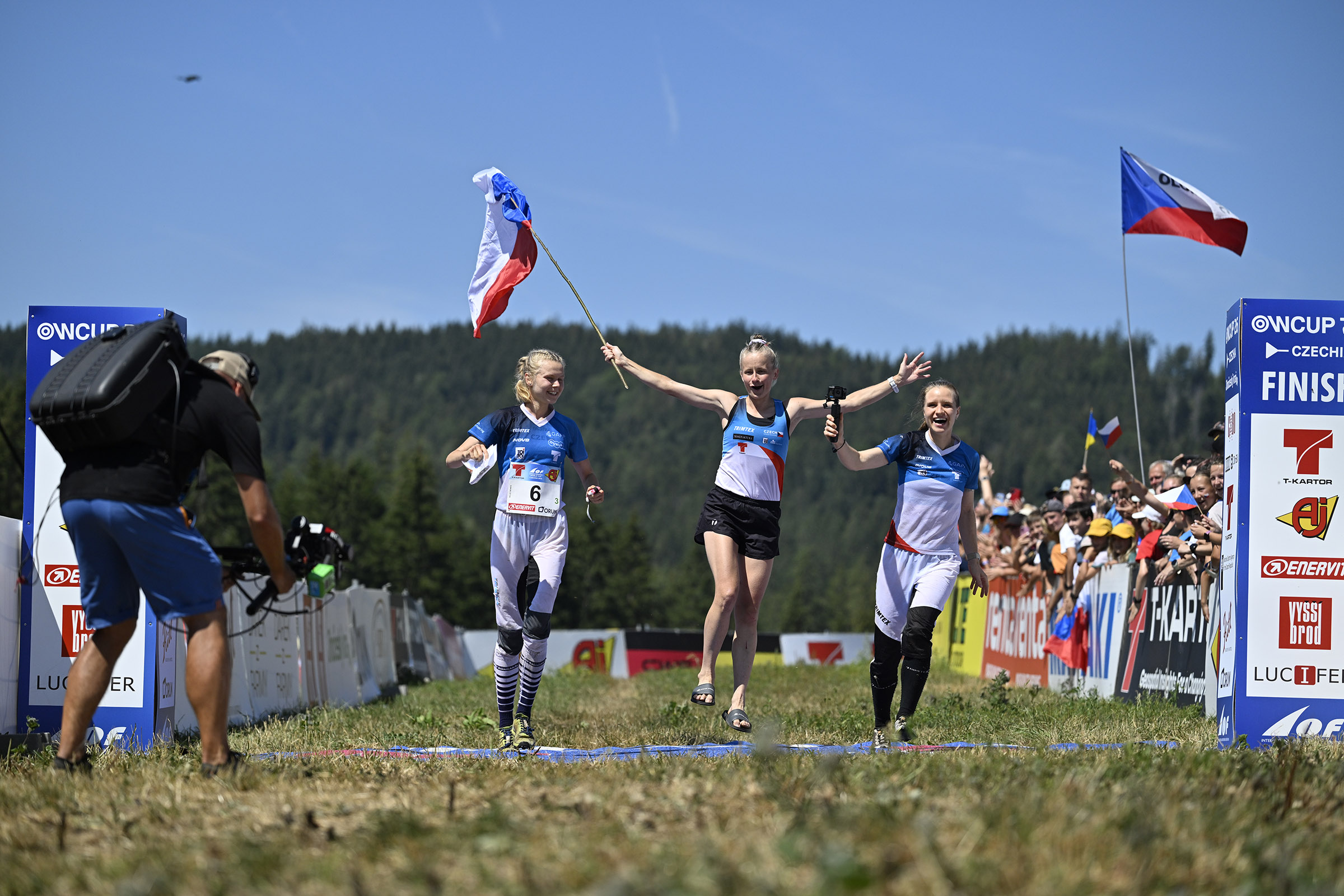
The relay is the race the fans wait for – head-to-head battles, lead changes you can see with your own eyes, and an arena that erupts with every passage. Sunday in Martínkov delivered all of it, and the loudest roar of the whole week came when Lucie Dittrichová ran into the finish chute to seal a home silver medal for the Czech women.
Women: Norway control, Czechia celebrate
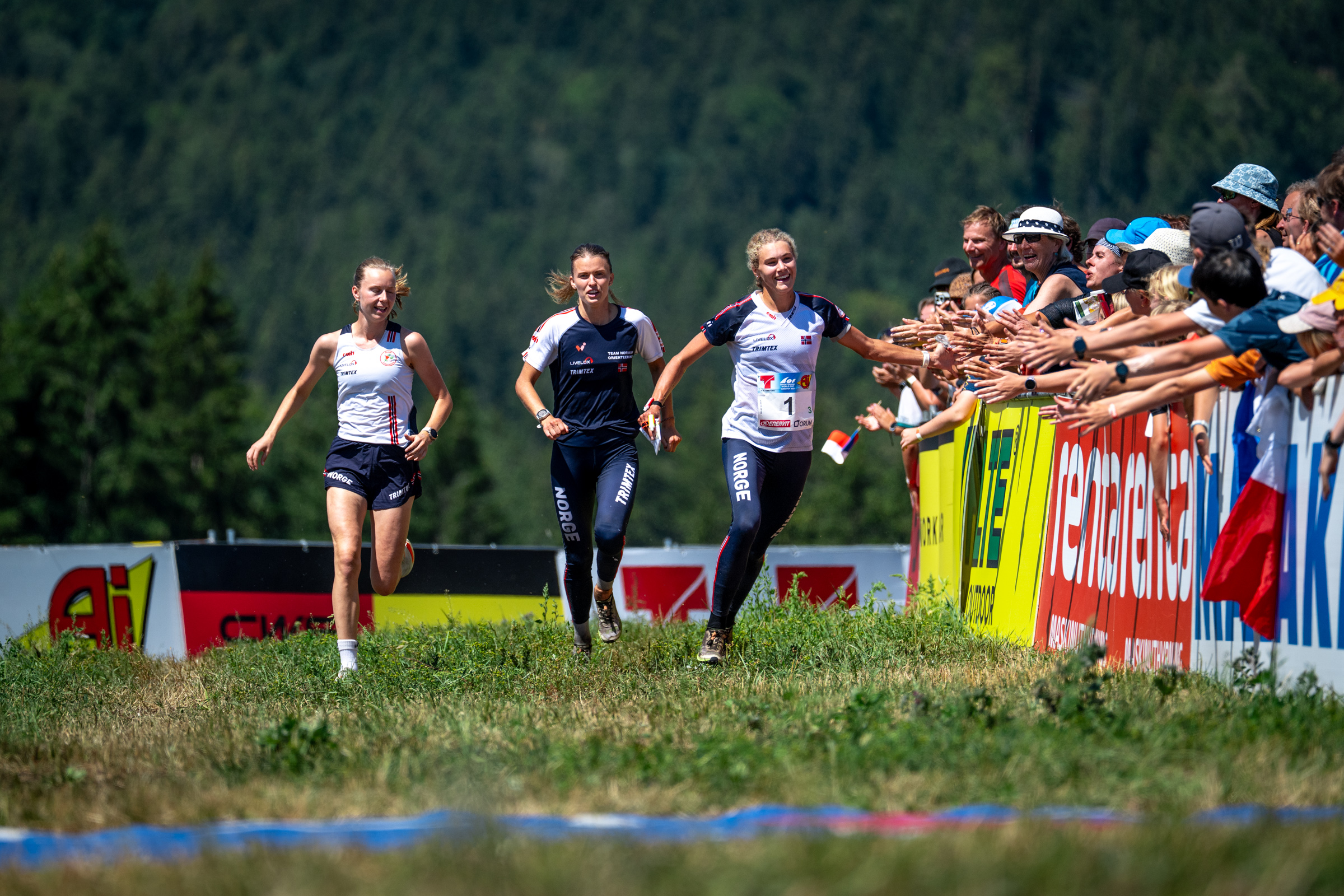
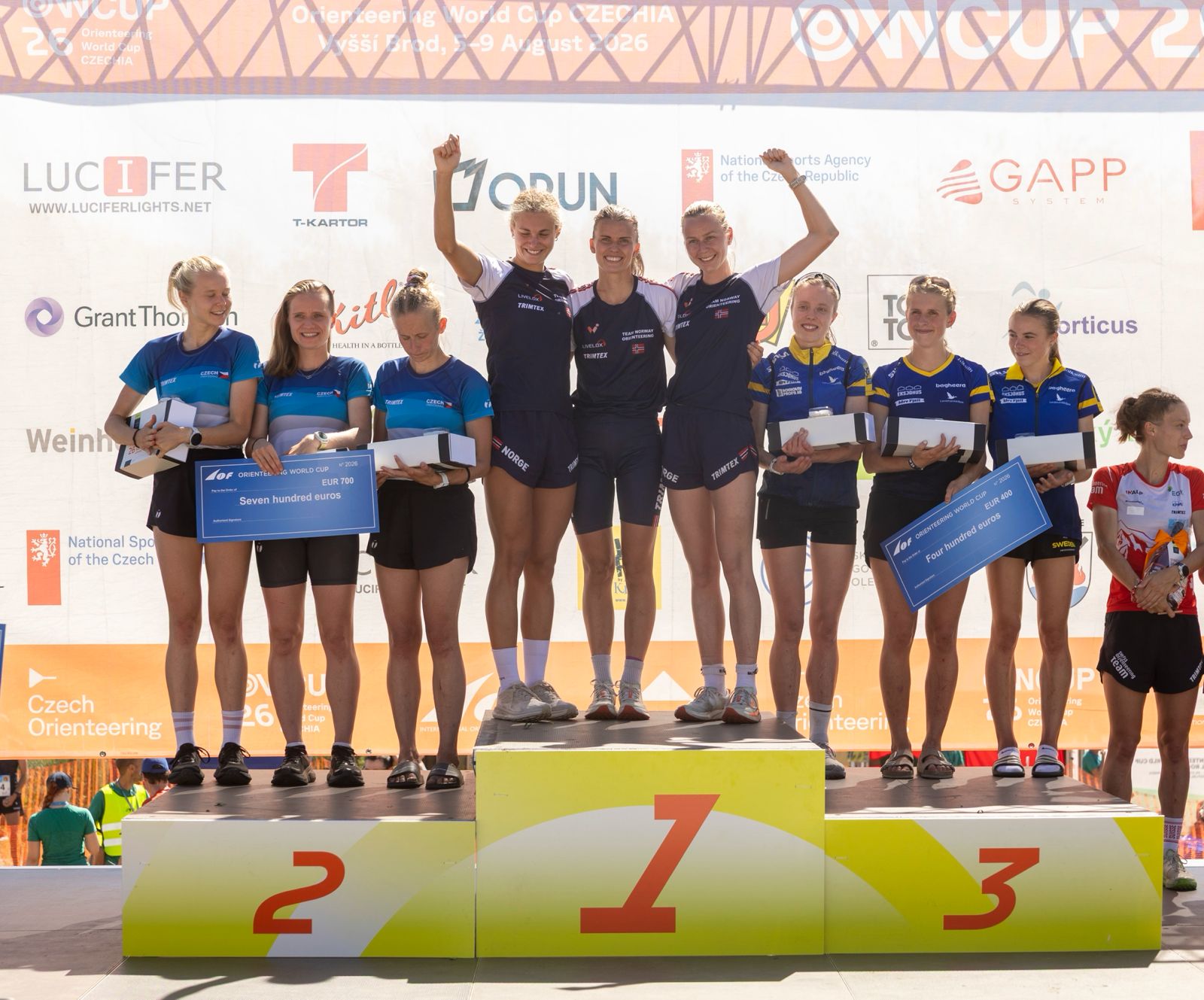
Norway’s first team was the benchmark all day. Victoria Hæstad Bjørnstad set the fastest opening leg, Marie Olaussen extended the advantage, and Pia Young Vik brought it home in 1:42:32 — a win without a single wobble.
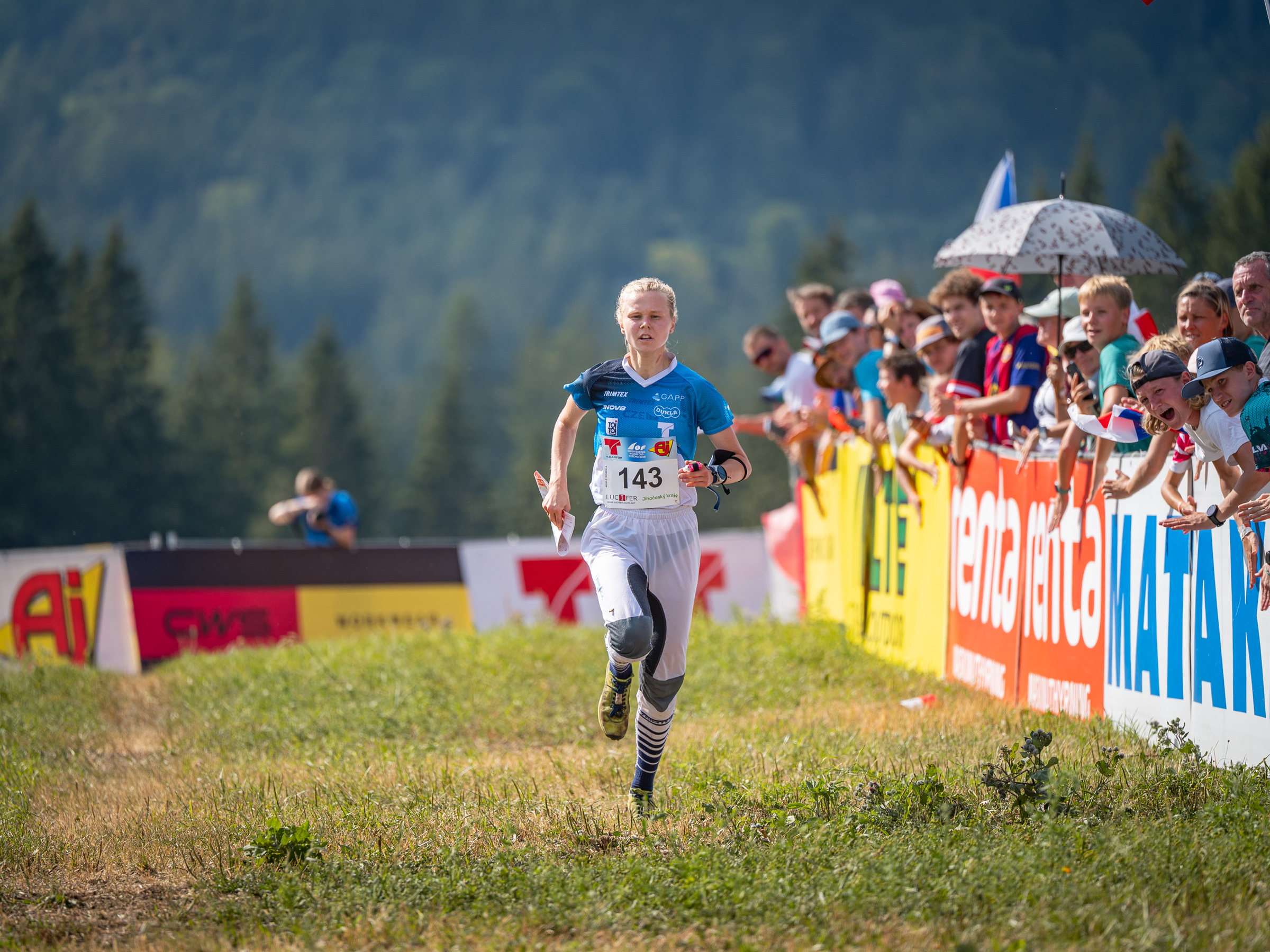
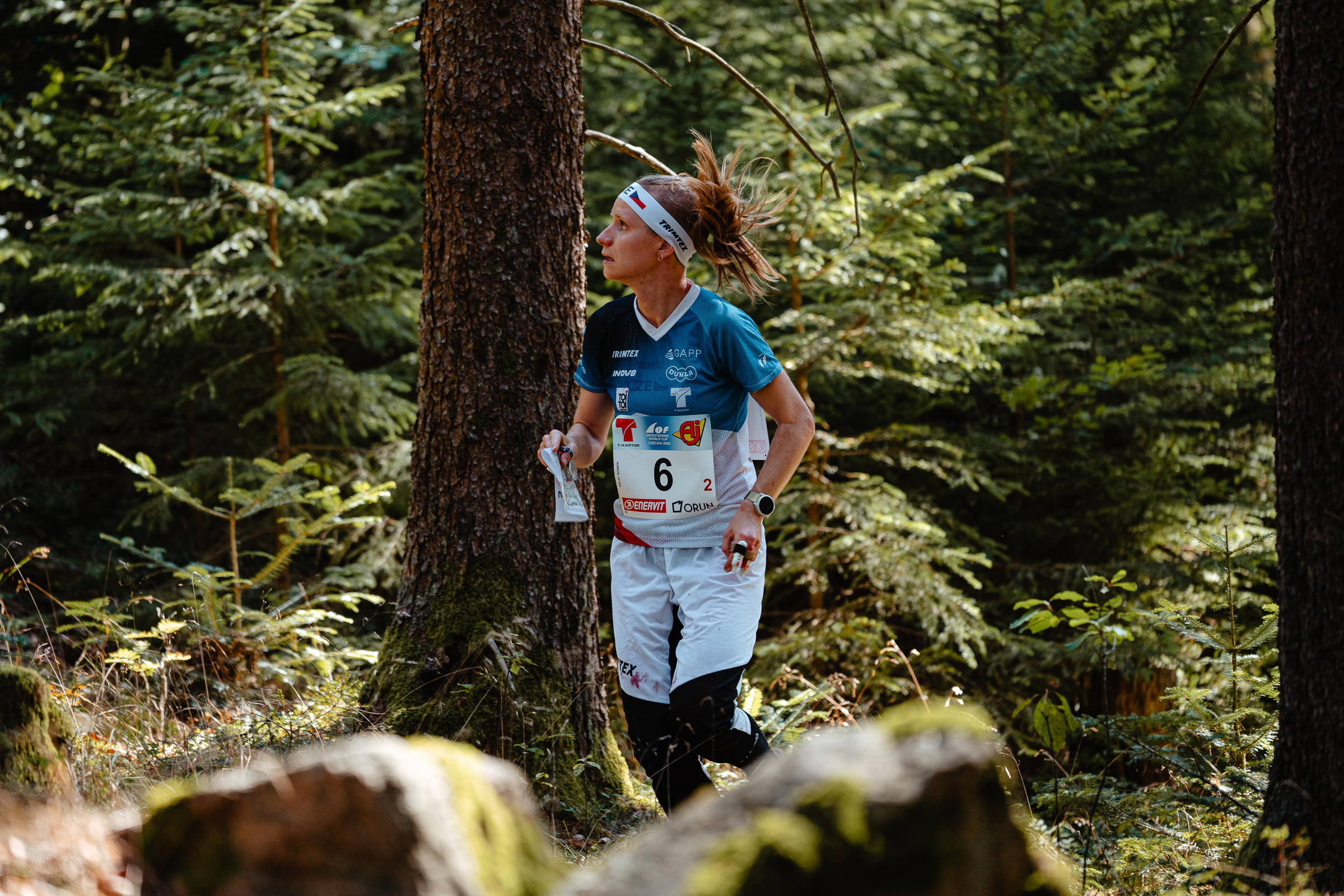
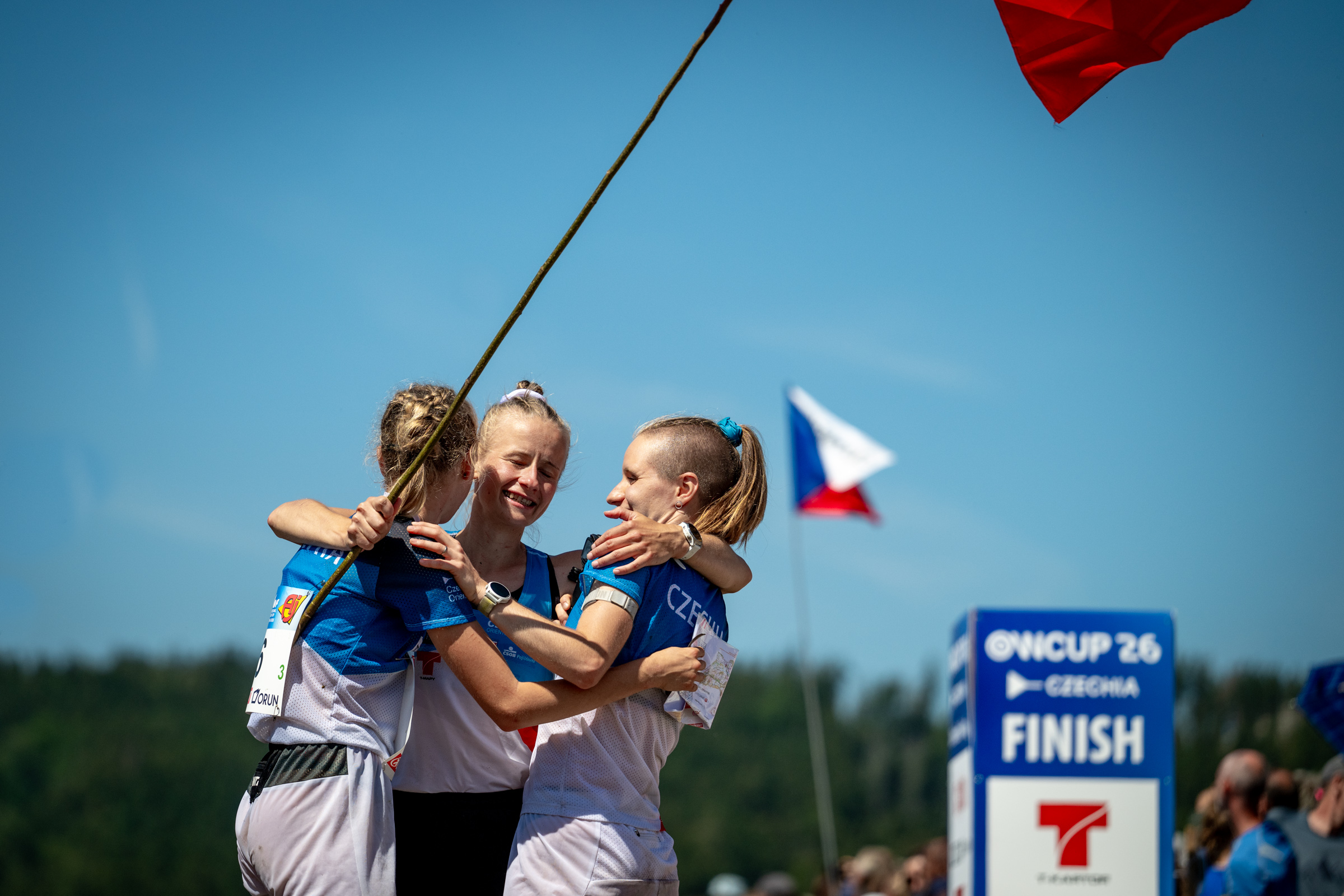
Behind them, the Czech women ran the relay of their lives. Denisa Králová handed over fourth, just 21 seconds down. Tereza Rauturier, bronze medallist from the long distance, moved the team up to second with the fourth-fastest leg of the day. And then it was up to Dittrichová, fresh from her middle distance bronze, to defend the medal position against a charging Swedish team. She never blinked, crossing the line 1:47 behind Norway and 37 seconds clear of Sweden’s Sanna Fast – silver for the Czechs, and a home podium in the most spectator-friendly discipline of them all.
Sweden took bronze, while the result of the day behind the podium belonged to Simona Aebersold. Starting the last leg 13th after a difficult Swiss second leg, the winner of both the long and the middle produced an astonishing time of 33:00 – the only sub-34 anchor leg – and hauled the Swiss all the way up to fourth, 59 seconds short of the medals. Denmark completed the top five, and the second Czech team of Lucie Semíková, Markéta Muličková and Jana Peterová crossed eighth overall.
Men: a Swedish masterstroke on the last two legs
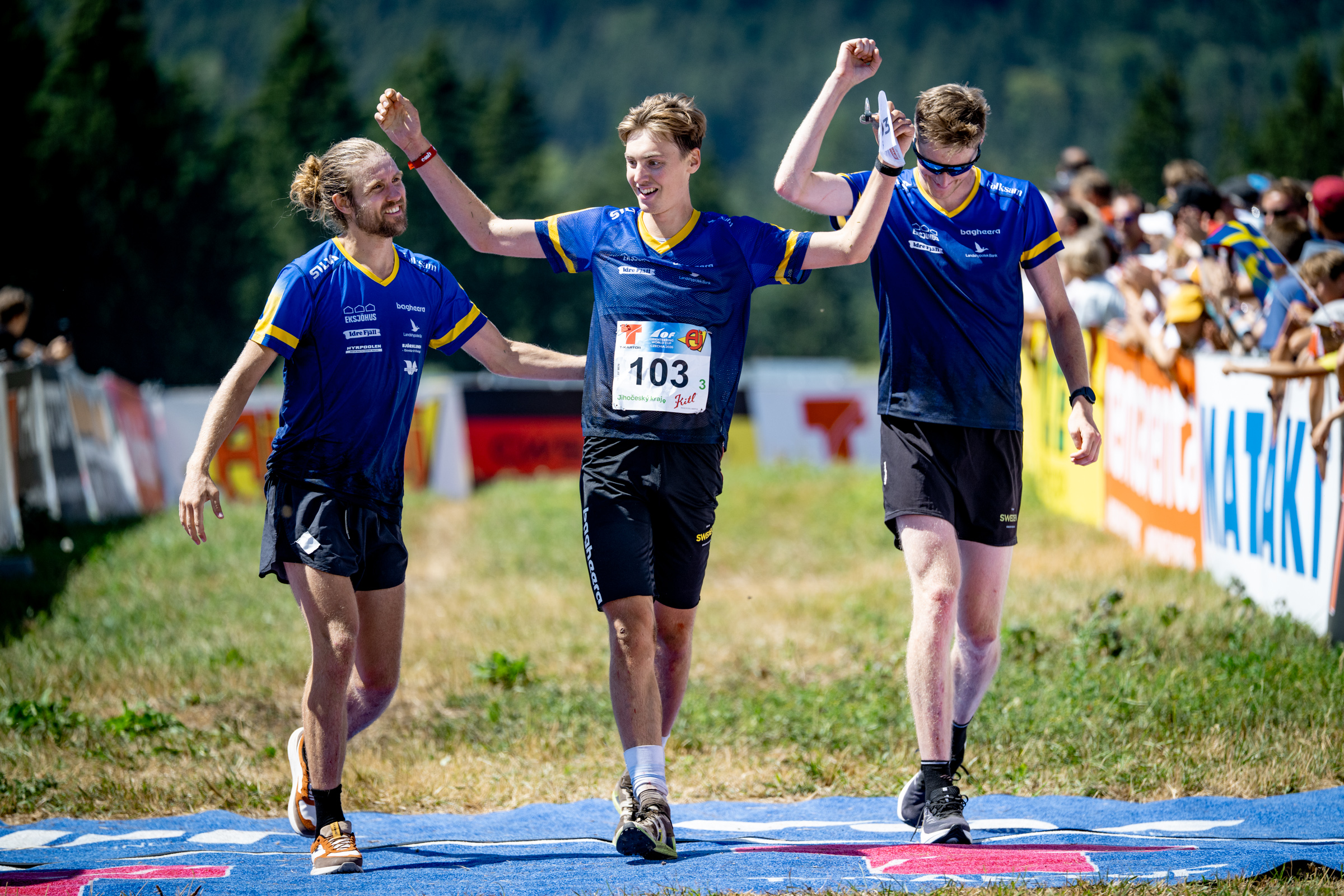
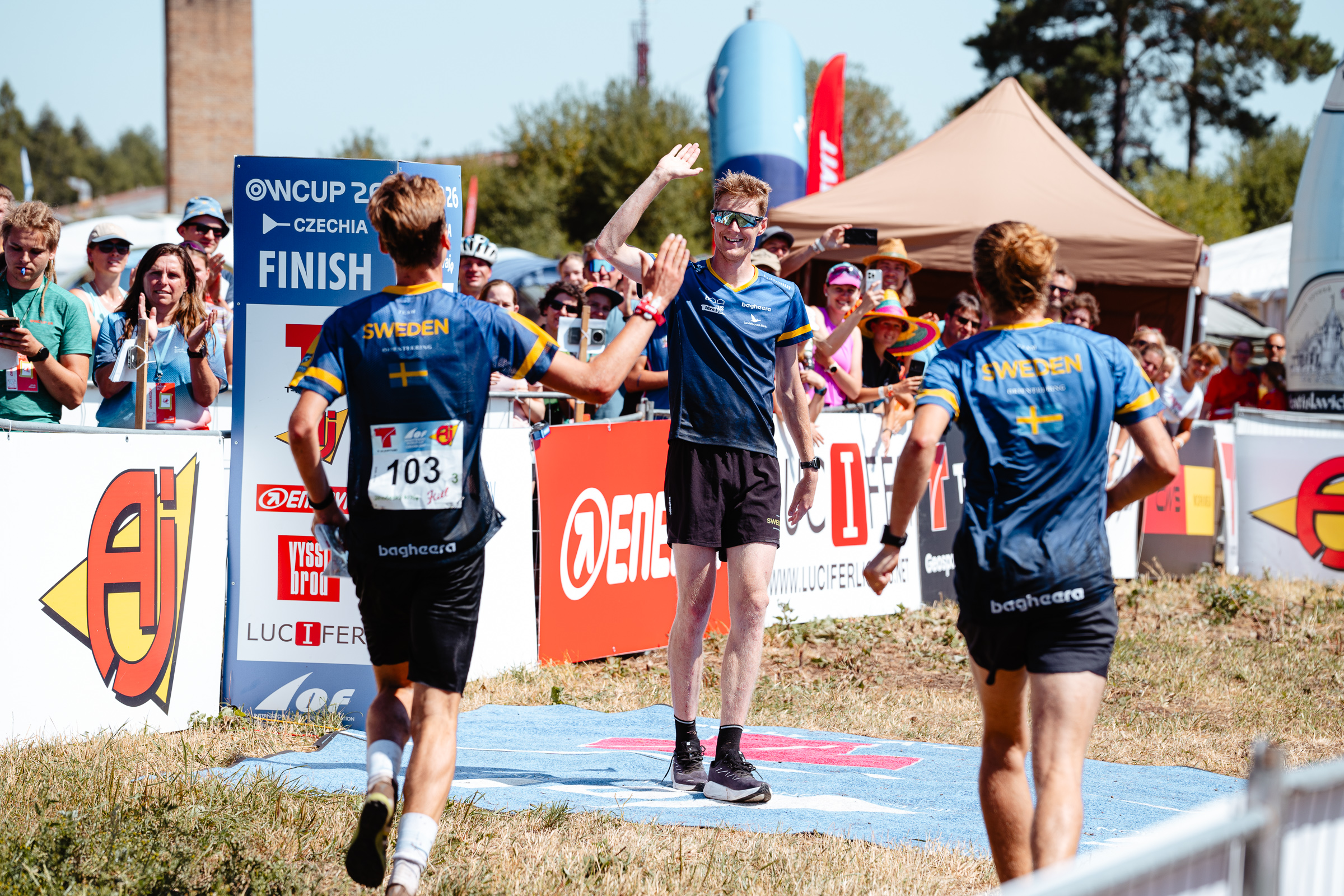
The men’s race turned into a demonstration of Swedish depth. Anton Johansson came back 17th, a minute and a half down — and then Gustav Bergman ran the fastest second leg of the field (29:06) to lift his team into fourth. That set the stage for Viktor Svensk, the long distance champion, who started 38 seconds behind leading Norway and simply ran everyone down. His 28:48 was the fastest leg of the entire day, and Sweden won in 1:28:56, thirteen seconds ahead of Kasper Harlem Fosser running for Norway. Finland, anchored by Olli Ojanaho, took bronze.
The Czech men made the arena believe for a long time. Jakub Chaloupský handed over fifth, 17 seconds off the lead, and although Daniel Bolehovský lost ground on the second leg, middle distance champion Tomáš Křivda attacked once more. His 30:13 was the third-fastest anchor leg, lifting the home team back to fifth at +2:06 – within sight of the medal fight until the closing kilometres. In the second Czech team, Martin Roudný thrilled the home crowd with the second-fastest opening leg before the second Czech team eventually finished 13th across the line.
A fitting finale to the racing week
The relay capped a week the home team will not forget. The qualification set the stage, the brutal long distance brought Rauturier’s bronze in the heat, Saturday’s middle gave Czechia Křivda’s gold and Dittrichová’s bronze – and the relay added a team silver in front of a packed arena. It is no coincidence that the biggest crowds of the week came on relay day: with every runner passing through the arena and the battles unfolding in plain sight, the atmosphere in Martínkov was electric from the first mass start to the last finisher.
For Sweden, Svensk leaves with two golds and a silver; for Switzerland, Aebersold’s individual double and heroic anchor leg confirmed her as the outstanding woman of the round. But for the thousands of Czech fans on the hillsides, this Sunday belonged to Králová, Rauturier and Dittrichová.
Lucifer Headlamps: Lights for orienteering
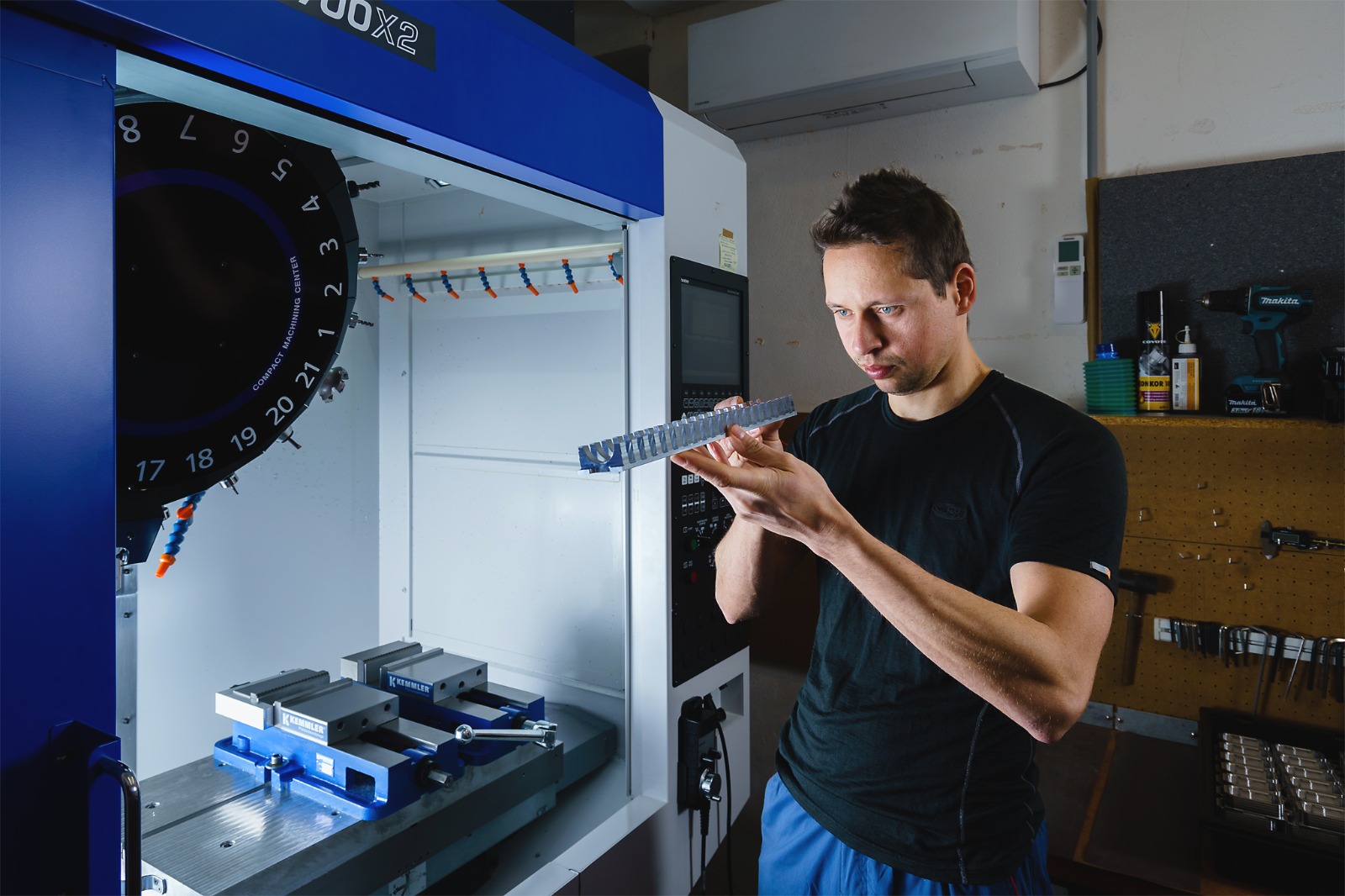
Company founder Petr Dvořák, a 3D graphic artist by trade and a lifelong orienteer, needed a proper headlamp for night races – and couldn’t find one on the market. So in 2014 he quit his job and started making his own. Today, more than ten years later, headlamps ship from his Prague workshop not only across Europe but also to Australia, Canada and New Zealand. And it remains a thoroughly Czech product: development, the milling of the aluminium bodies, the electronics and the final assembly all take place in Czechia.
Why a Lucifer and not a cheap headlamp from an online shop?
You’ll notice the difference on your very first night in the forest. Lucifer headlamps feature constant light regulation – they maintain a steady output over time, and only once the battery starts running low does the light gradually dim into an economy mode. The lamp therefore never goes dark without warning. The electronics monitor the remaining battery capacity and alert you in good time with a blink, and they also watch the temperature to prevent overheating. The body, milled from aircraft-grade aluminium alloy, doubles as a heat sink, so the headlamp can run continuously even at maximum output – unlike ordinary plastic lamps, which throttle their power after a short while.
Add to that two optics for perfect vision both into the distance and into your periphery (something you’ll appreciate most when reading a map at night), run times ranging from a few hours to hundreds of hours depending on the selected mode, and outputs of over 3,000 lumens on the racing models. No wonder Lucifers shine on the foreheads of orienteers and ultra-trail runners – and even sled dog mushers.
Quality that lasts for years
While a cheap headlamp ends up in the bin after a few months, a Lucifer is built for fifteen or more years of service. The manufacturer provides a 4-year warranty and guarantees spare parts for 10 years – and since almost everything is made in-house, practically anything can be repaired. The vast majority of headlamps from the very first years of production are still in use.
Come and see what the best runners race with – and when you start thinking about a light for your autumn night trainings and races, pick yours at https://luciferlights.net.
We thank the Lucifer brand for supporting the World Cup in Vyšší Brod!
Golden Saturday: Křivda Wins the Middle, Dittrichová Takes Bronze, Aebersold wins again.
World Cup Round 3 – Middle, 8 August 2026
If Thursday’s long distance gave the home fans a podium to celebrate, Saturday’s middle distance in Martínkov gave them everything. Tomáš Křivda won the men’s race in front of a roaring home arena, and Lucie Dittrichová climbed onto the women’s podium with bronze – the finest day for Czech orienteering in this World Cup, and one that will be talked about for years.
Men: Krivda strikes in the final stage
For most of the 5.37 km course it looked like Sweden’s Viktor Svensk – so dominant in the long distance – would double up. Svensk led at every radio control deep into the race, with Křivda lurking within twenty seconds. Then came the final part. Between the 4.3 km and 5.0 km controls the Czech turned the race on its head, arriving at the arena in the lead and holding his nerve on the run-in to win in 31:50, fourteen seconds clear.
Svensk had to settle for silver, with his compatriot Gustav Bergman completing an experienced podium at +0:51. Behind them, Jakub Chaloupský (15th) and Daniel Bolehovský (18th) added two more Czech results inside the top twenty.
Women: Aebersold again – but the arena belonged to Dittrichová
Simona Aebersold remains untouchable this week. The Swiss star added the middle title to her long distance win, taking control before halfway and winning in 31:21 ahead of France’s Cecile Calandry (+2:07).
But the loudest moment of the afternoon came behind them. Lucie Dittrichová, fifth in the long, claimed the third place at +2:29 after actually leading the field at the first radio control. She edged out Norway’s Pia Young Vik by just four seconds in a fight that went to the very last control. Tereza Rauturier backed up her long distance podium with 13th.
A tough day for some favourites
The technical 4.49 km women’s course and its 5.37 km men’s counterpart punished any lapse in concentration. Norway’s Kasper Harlem Fosser, always among the favourites, never found the front and finished sixth, while Fabian Aebersold – third in the long – dropped to 40th after a costly opening. Veteran Daniel Hubmann finished 22nd. On the women’s side, Marie Olaussen, silver medallist in the long, slipped to 27th, and Sweden’s Tuva Ostangard sat tenth before a single disastrous leg cost her over five minutes. Finland’s Elisa Mattila and Sweden’s Frida Vikstrom saw their races wiped out by mispunches.
The World Cup round concludes tomorrow with the relays – and after today, the home teams will start them full of belief.
Kitl: A trusted partner at home and at the World Cup
From the Czech Cup to the world stage
Support for domestic races continues – the Kitl Czech Cup remains one of the pillars of the Czech orienteering season. But now Kitl is also standing alongside the world’s best. Athletes, organisers and fans of the World Cup can look forward to refreshments from a company built on honest recipes, quality ingredients and the legacy of Johann Josef Anton Eleazar Kittel, the famous healer of the Jizera Mountains.
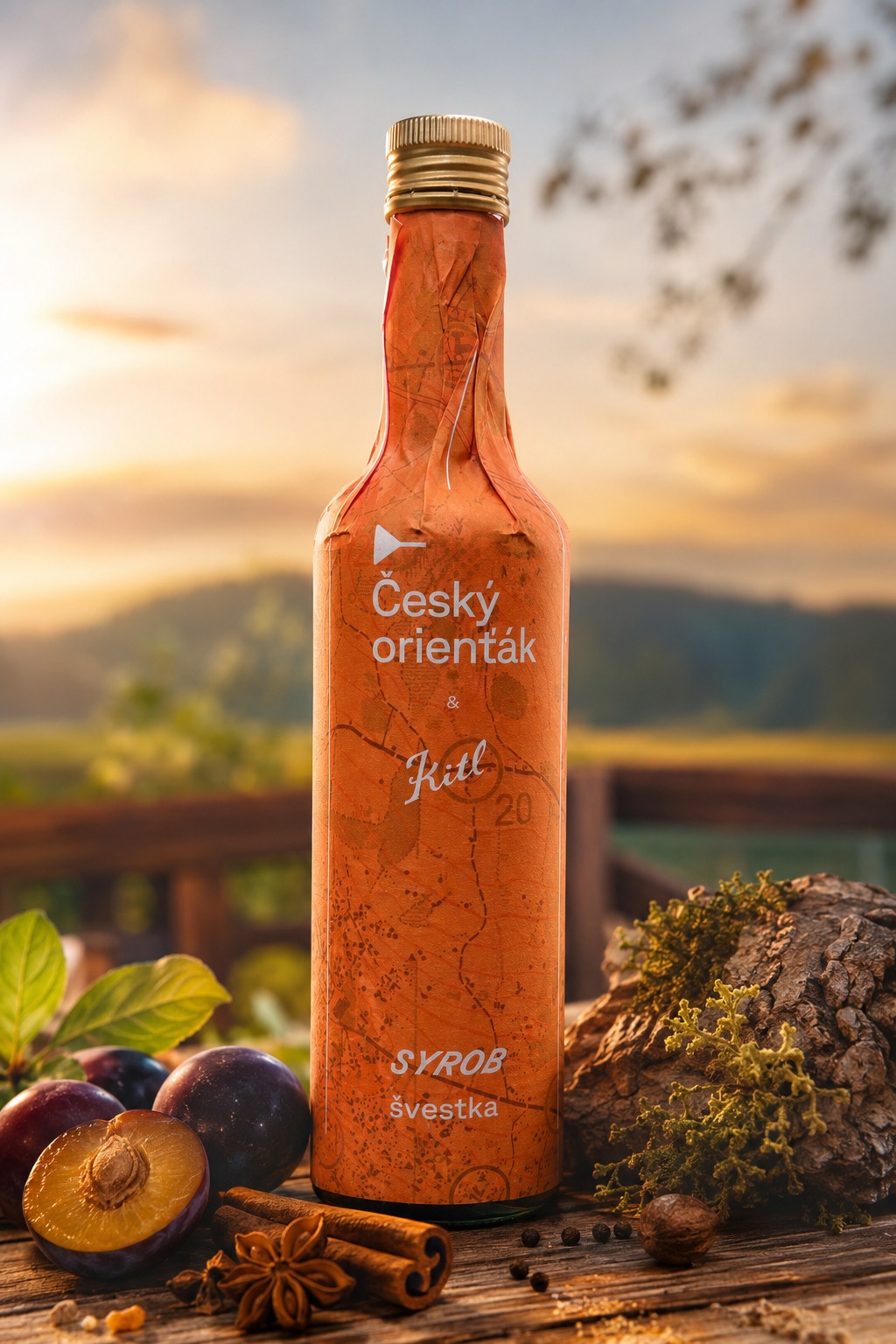
A special edition of the Plum Syrup
Especially for the World Cup, Kitl has prepared its popular Švestka (Plum) syrup with limited-edition labels. Anyone who takes a bottle home will have a keepsake combining the taste of Czech fruit with the atmosphere of world-class orienteering.
Kitl reaches across the border
Supporting a world-class event symbolically follows another major step for the company – the recent founding of Kitl GmbH, based in the German town of Zittau, at the tripoint of the Czech Republic, Germany and Poland. Jan Vokurka, managing director of Kitl, says:
Germany is one of our key foreign markets, and founding Kitl GmbH is a logical continuation of our growth. We want to be closer to our partners, respond better to their needs and further develop customer service and business opportunities in the region.
Just as the World Cup brings athletes from all over the globe to the Czech Republic, Kitl connects regions and people across borders – at home and abroad.
We thank Kitl for supporting Czech orienteering – both at home and on the world stage. Find out more about the company and its products at kitl.cz and kitl.de.
Top Enervit innovations to power your orienteering performance
To help you optimize your training blocks and race strategy, here are practical guidelines on how to structure your fuel using Enervit’s latest functional innovations.
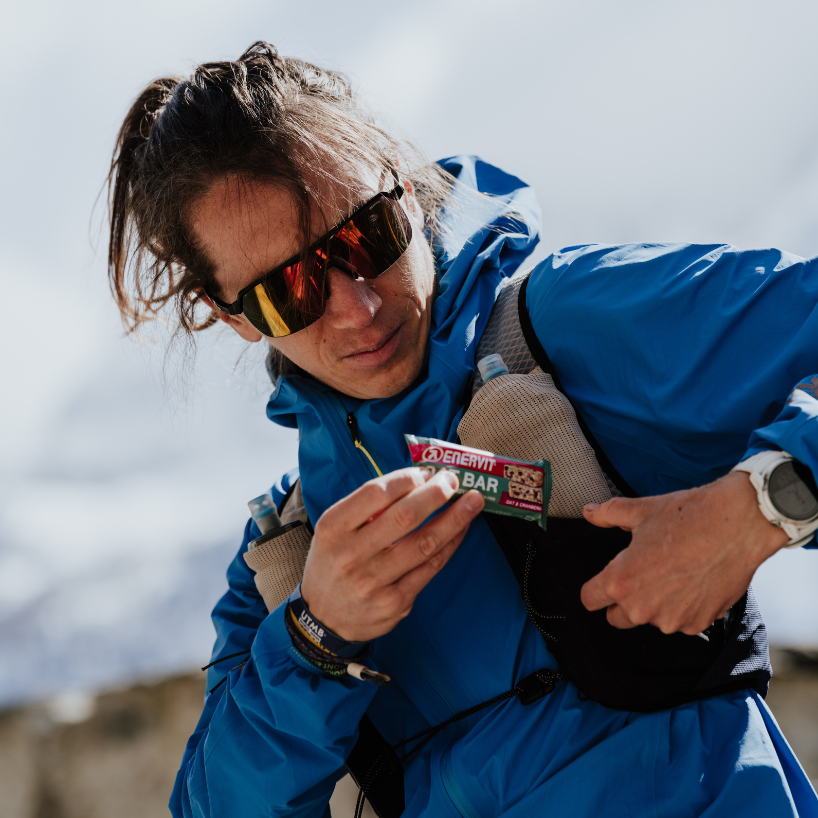
1. Post-race recovery & fueling on the go: Enervit Oat Bars
In orienteering, events and hard training sessions often take place far from convenient food options. Yet, refueling immediately after crossing the finish line is critical to kickstart recovery and replenish depleted muscle glycogen stores.
Training & Post-Race Application: Keep an Enervit Oat Bar in your gear bag as a wholesome snack or immediate post-session meal when a full dinner isn’t readily available.
Why it works: Packed with complex carbohydrates from high-quality oats, it delivers a rich, sustained energy release. It’s an ideal option for bridging the gap between finishing a tough course and sitting down for a proper meal, preventing energy dips during travel back from the forest.
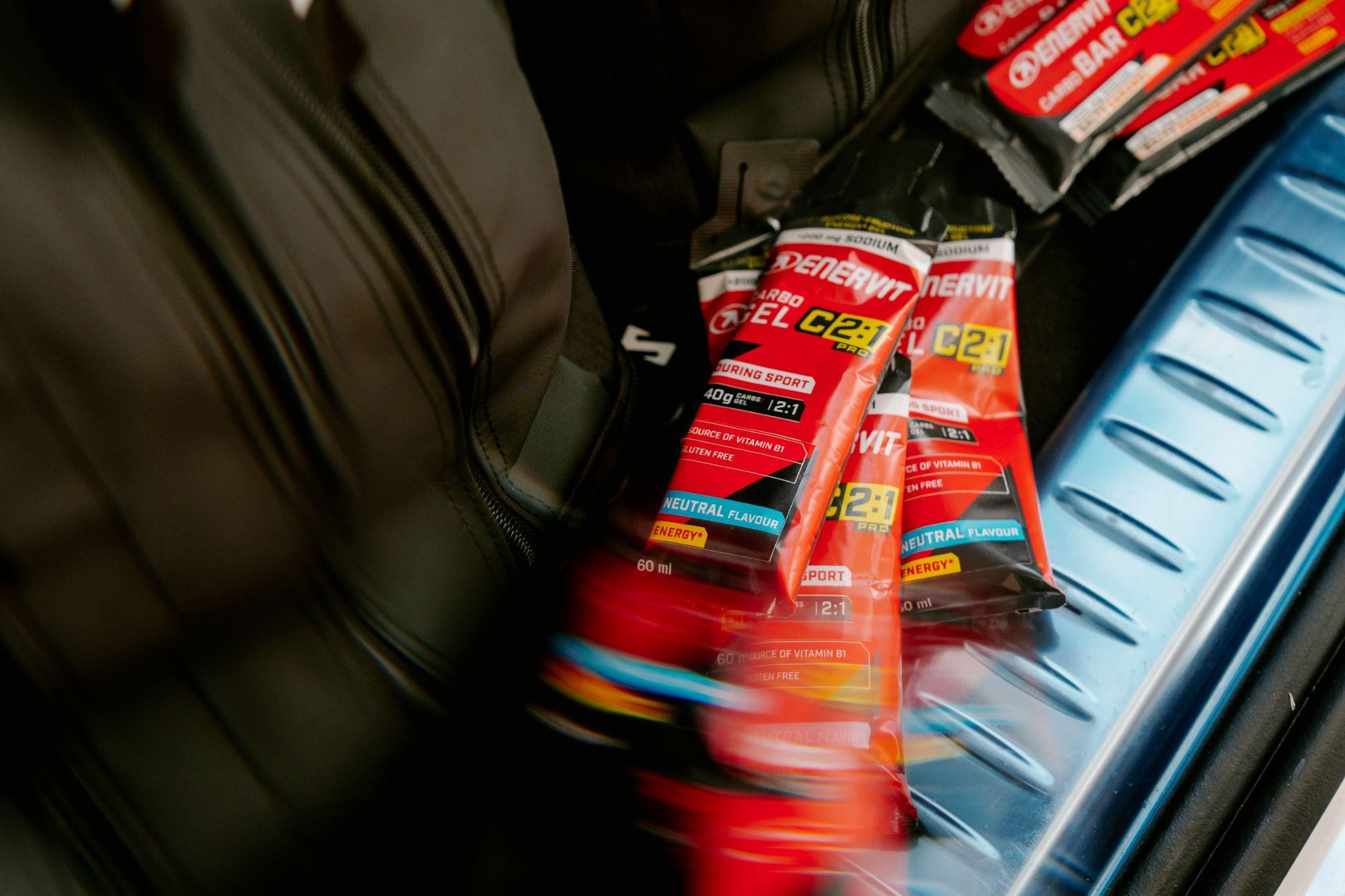
2. Enervit Gel Neutral: Clean energy without the sweetness
During high-intensity racing, when your heart rate is maxed out while reading the map on a steep climb, chewing food is impossible and overly sweet, flavored gels can cause stomach discomfort or flavor fatigue.
Why for Orienteers:Enervit’s Neutral Gel provides a concentrated dose of fast-absorbing carbohydrates with a mild, non-flavored taste profile. It goes down smoothly, requires no extra water to chase down, and minimizes the risk of GI distress under stress.
When to use:
In-race (every 30–45 minutes): Take it right before or during demanding race legs when you need immediate, light carbohydrate delivery to maintain maximum speed and mental acuity.
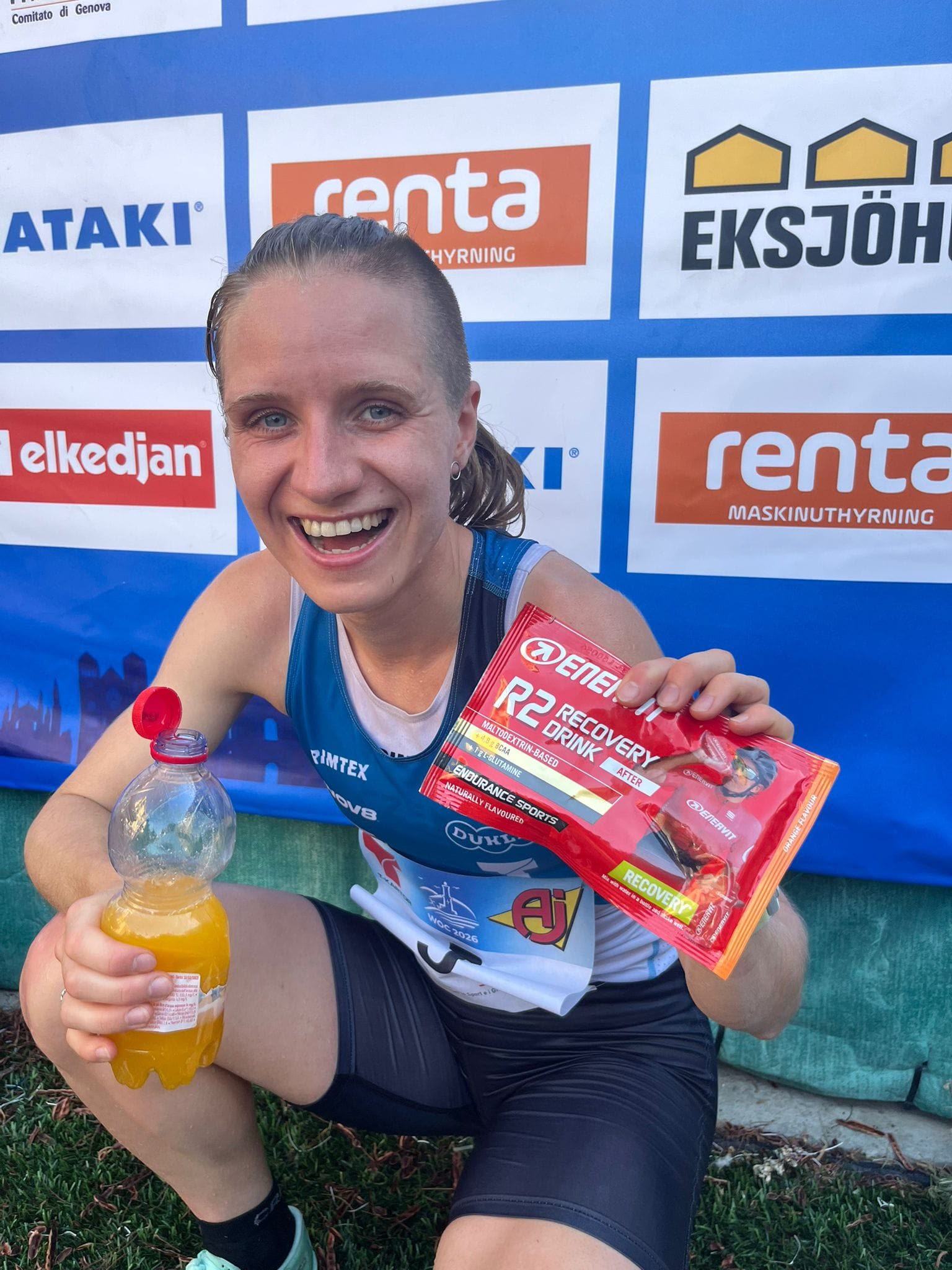
Recovery Tip: For optimal post-race adaptation, drink Enervit R2 Recovery Drink within 30 minutes of finishing to instantly replenish glycogen and support muscle rebuild with essential amino acids and BCAAs. Pair it with an Oat Bar slightly later to maintain steady energy levels on the go.
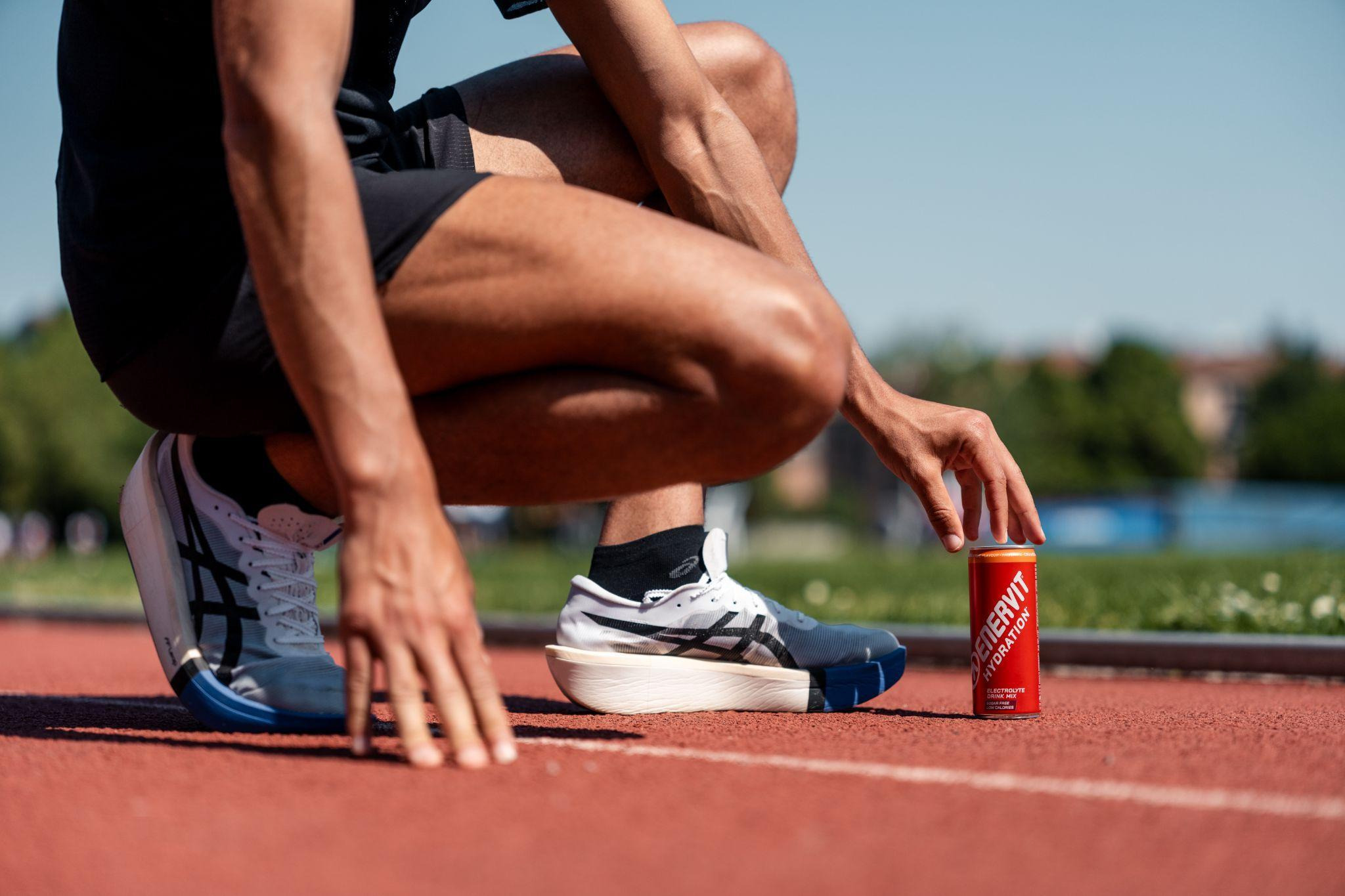
3. Hydration balance: Upcoming Enervit hydration formula
Even a minor fluid deficit of 2% significantly impairs mental processing speed and spatial memory, two things no orienteer can sacrifice when hunting for a hidden control point.
What to watch for: In the coming weeks, Enervit is rolling out a brand-new Hydration Drink (featuring a clean Lemon-Lime and refreshing Orange). Designed with an optimal ratio of key electrolytes (sodium, potassium, magnesium) and hypotonic carbohydrates, it speeds up fluid retention and electrolyte balance during high-heat or long-duration workouts.
Keep an eye out on our shop as these hyper-refreshing hydration formulas hit the shelves just in time for your summer training peak!
Ready to boost your race prep?
Nutrition is the hidden leg of every course. Just as you wouldn’t head into a long-distance race with an untested route choice, your fueling routine should be refined well before race day. Experimenting during hard training sessions ensures your body – and gut – are fully prepared for maximum output when every second counts.